How Much Does a Car Battery Cost 7 Tips for Buyers?
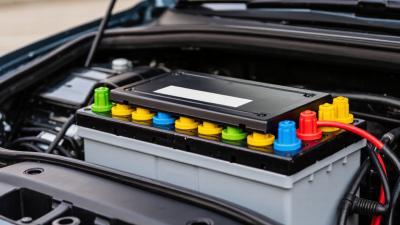
A dead battery rarely gives much warning. One cold morning, the starter clicks, the dashboard dims, and a routine trip becomes a repair decision. Car Battery Cost can range widely because the final bill depends on battery chemistry, vehicle requirements, labor, and warranty—not just the price on the shelf. A basic flooded battery and an AGM battery may look similar, yet they are not always interchangeable.
AAA’s battery guidance puts typical battery life at about three to five years, while Consumer Reports’ battery testing highlights the importance of matching specifications such as group size and cold-cranking amps. Those details matter. A battery that fits the tray may still fail to meet the vehicle’s electrical demands. AAA automotive expert John Nielsen has advised drivers to consider battery age and climate when judging battery condition; in practical terms, heat, short trips, and heavy accessory use can change how long a battery serves. This is a paraphrase of his guidance, not a direct quotation.
Seven buyer tips can help make the price easier to judge. Compare installed quotes, check the warranty’s replacement terms, confirm the exact battery type, and ask whether testing or disposal fees apply. Look closely at the label. A longer warranty is useful, but it does not automatically mean better performance. Prices also shift by region and vehicle, so a single online estimate may miss the real cost. Keep the receipt. A little checking before purchase can prevent an expensive mismatch later.

Estimate Replacement Costs: Typical Car Batteries Range from $100 to $300
A replacement car battery commonly costs $100 to $300 for the part, but the final bill depends on the vehicle and battery type. A small conventional battery may sit near the lower end; a larger battery or one designed for start-stop driving can cost more. AAA’s battery-care guidance gives a typical service life of three to five years. Extreme heat, cold, and frequent short trips can shorten it. That matters.
Ask whether the estimate includes installation, testing, and disposal of the old battery. Some vehicles also need electronic battery registration after replacement. Labor and access can raise the total, especially when the battery sits beneath a seat or inside the trunk. A written quote helps separate the battery price from added work. Check the warranty period, too, rather than comparing prices alone.
Before buying, have the charging system tested if the engine starts slowly or the battery repeatedly goes flat. Consumer Reports’ battery evaluations consider measures such as cold-cranking performance and reserve capacity, useful checks beyond price. Match the replacement to the vehicle’s specified size and electrical requirements. A bargain battery that does not fit those requirements is not a bargain for long. Estimates vary by location, so treat $100 to $300 as a planning range, not a guaranteed installed price.
Compare Battery Types: Lead-Acid and AGM Options Have Different Price Points
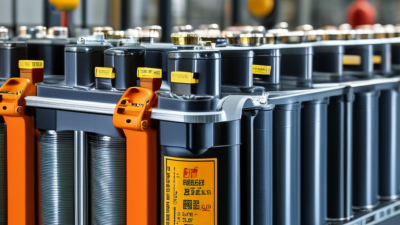
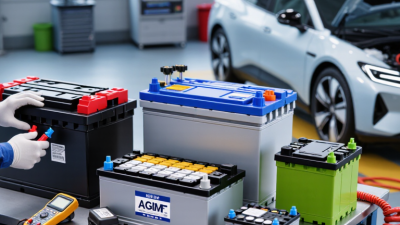
A flooded lead-acid battery is usually the lower-cost choice. In the United States, replacement prices commonly fall around $100–$200, while AGM batteries often cost about $180–$350, before installation. These are broad retail estimates, not fixed quotes; vehicle size, cold-cranking needs, and fit can shift the price. Check the owner’s manual before comparing labels. A cheaper battery is no bargain if it cannot meet the vehicle’s requirements.
AGM batteries use an absorbent glass mat to hold electrolyte, helping them handle vibration and repeated stop-start use. That added construction often explains the higher price. For a car designed for AGM, switching to a conventional battery may cause charging or performance problems. Ask a qualified installer to verify compatibility. It matters.
The Battery Council International’s 2021 National Recycling Rate Study estimated that 99% of lead batteries in the United States were recycled in 2019. That figure describes recycling, not battery quality or value, but it shows that lead-acid batteries have an established recovery stream. AGM batteries are also lead-based, though recycling arrangements may vary by location. I would compare the installed price, warranty terms, and expected use—not just the shelf tag. Honestly, warranty wording can be easy to misread. A few minutes checking it could prevent an unpleasant surprise.
Check Battery Fit: Match Group Size, CCA, and Reserve Capacity to Your Vehicle
A car battery’s price means little if its case or terminals do not fit. Check the owner’s manual or the label on the old battery for the required BCI group size. The group identifies physical dimensions and terminal layout, not performance. A battery that seems close may sit loose, press against nearby parts, or have cables that cannot reach safely. Measure the tray if details are missing, but confirm the result with a service professional.
Cold-cranking amps (CCA) and reserve capacity (RC) matter too. SAE J537 specifies a CCA test at 0°F: a battery must deliver its rated current for 30 seconds while maintaining at least 7.2 volts. The Battery Council International’s Battery Technical Manual defines RC as how many minutes a fully charged battery can supply 25 amps at 80°F before reaching 10.5 volts. Match or exceed the vehicle maker’s minimums. More CCA is not automatically better if the battery is the wrong size. That is an easy detail to overlook.
Tips: Compare the group size, CCA, and RC on the replacement label with your vehicle’s requirements before paying. Check terminal position and hold-down fit, too. If the manual and old label disagree, pause and verify the correct specification; guessing can cost more later.
Plan Replacement Timing: AAA Puts Typical Battery Life at 3–5 Years
A car battery’s 3–5-year lifespan is a planning range, not a promise. AAA’s published battery guidance puts typical life at three to five years. Battery Council International also advises drivers to consider operating conditions and maintenance when assessing battery performance. Heat can accelerate battery wear, while winter cold often reveals a battery that has already weakened.
Check the battery’s age before trouble starts. Its date code may be printed on the case or shown on a service receipt. At around year three, ask for a load test during routine maintenance, especially if the engine cranks slowly or headlights dim at idle. A test is more useful than guessing from one chilly morning. Small detail, big difference.
Replacement timing affects cost, too. Waiting for a no-start can mean arranging a tow or buying whatever fits immediately, rather than comparing the correct size and reserve capacity. Prices vary with vehicle requirements and battery type, so confirm compatibility before shopping. I would not replace every battery at exactly four years; that rule is easy to remember, but it ignores climate, driving habits, and the battery’s measured condition. Keep the test result and installation date with the vehicle records.
Review Warranty and Recycling: EPA Reports Nearly 99% of Lead-Acid Batteries Are Recycled
How Much Does a Car Battery Cost? 7 Tips for Buyers
A replacement car battery often costs about $100 to $300, depending on battery type, vehicle, and installation. Check your owner’s manual before comparing prices. A battery that fits the tray may still have the wrong capacity or terminal layout. Ask for the full installed price, not just the shelf price. Read the warranty terms, too. A long warranty can sound reassuring, but coverage may decrease over time or exclude installation costs.
Recycling matters as much as warranty coverage. The U.S. Environmental Protection Agency reports that nearly 99% of lead-acid batteries are recycled. Battery Council International also describes lead-acid batteries as among the most recycled consumer products in the United States. That rate is encouraging, but it does not mean every old battery reaches a recycler. Ask whether the seller accepts your used battery and whether a deposit is refundable. Keep the receipt until you know.
Look for a clear date code and inspect the case for cracks or swelling. A quick test of the charging system can help prevent a new battery from failing early. Recycling statistics are strong, yet local collection options can be confusing. That deserves a second look. Compare written warranty details, installation fees, and take-back policies before buying.