
China Top 10 Car Battery Suppliers and Cost Guide?
China’s car battery industry now spans conventional lead-acid starters, lithium-ion packs, and advanced battery systems. This guide examines China’s top 10 car battery suppliers, their product strengths, and the factors shaping Car Battery Cost.
The International Energy Agency reported that global electric-car battery demand exceeded 750 GWh in 2023, rising by about 40% year on year. China accounted for most global battery manufacturing capacity and remained the largest electric vehicle market. BloombergNEF’s 2024 Battery Price Survey placed the average lithium-ion pack price at approximately $115 per kWh, while Chinese pack prices were lower than the global average. These figures provide useful context, but they do not represent every vehicle or purchase order.
Costs vary considerably.
A replacement 12-volt battery may depend on capacity, chemistry, warranty, and shipping distance. An electric vehicle battery requires a different calculation, including cell quality, thermal management, labor, diagnostics, and installation. Sourcing data from company disclosures, SNE Research rankings, IEA market reports, and BloombergNEF benchmarks helps separate factory pricing from retail pricing. However, supplier rankings can change quickly, and published figures are not always directly comparable. That limitation deserves attention.
This article therefore compares major Chinese suppliers through practical criteria: production scale, battery technology, export experience, quality certifications, warranty support, and reported customer applications. Readers will also find cost ranges, purchasing risks, and questions to ask before selecting a supplier. A low quotation can look attractive. It may hide weaker cells, limited testing, or expensive after-sales service. Experienced buyers check the details before comparing the final number.
What Defines a Reliable Car Battery Supplier in China
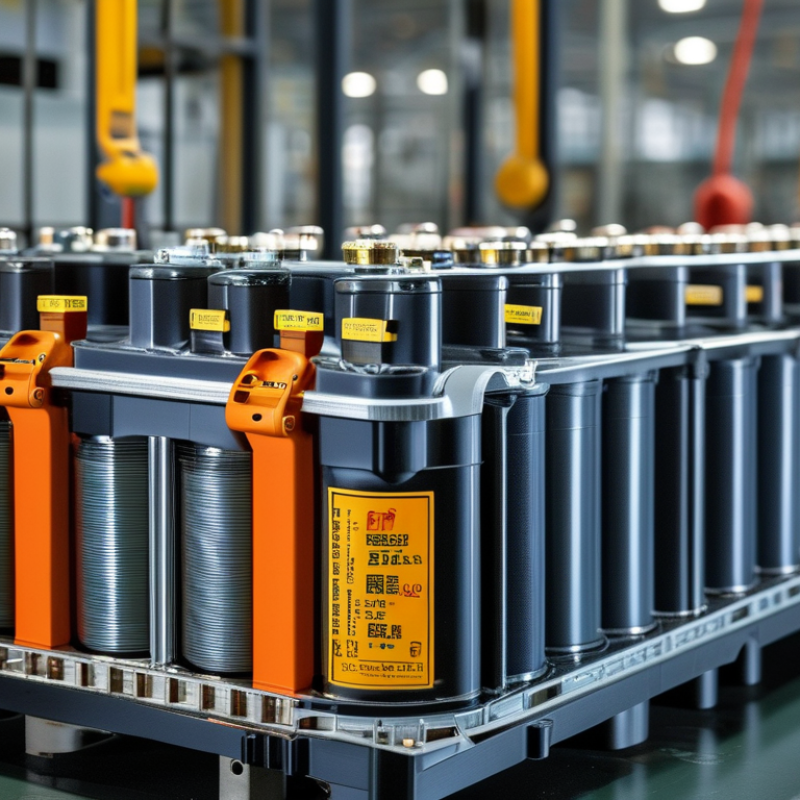
A reliable car battery supplier in China offers more than a low quotation. The supplier should explain battery chemistry, capacity, cold-cranking performance, cycle life, and expected service conditions. Clear technical data shows professional knowledge. Vague promises do not.
Factory experience also matters. A dependable supplier can provide production photos, inspection records, sample results, and traceability details. Ask how workers control electrolyte filling, terminal welding, sealing, and final testing. Independent reports can support these claims, but they should match the actual production model. A polished certificate is not enough. Communication is another practical test. Reliable teams answer technical questions directly and admit limitations. Delayed replies may become serious problems after shipment.
Tips: Compare total cost, not only the unit price. Include packaging, testing, transport, warranty handling, and possible replacement expenses. Request samples from normal production, not specially prepared units. Check voltage, dimensions, weight, terminal position, and performance after storage. A supplier should also explain warranty conditions in simple language. Some buyers focus too heavily on factory scale. That can be a mistake. Consistent quality control and responsive service may matter more than a large building. Keep written records of every specification, because memory becomes unreliable during price negotiations.
| Rank | Supplier Profile | Primary Battery Types | Typical Automotive Applications | Common Capacity Range | Indicative Factory Price Range | Typical MOQ | Estimated Lead Time | Quality & Compliance Indicators | Warranty Practice | Export Readiness | Reliability Score |
|---|---|---|---|---|---|---|---|---|---|---|---|
| 1 | Supplier Profile 01 High-volume automotive battery manufacturer |
Flooded lead-acid EFB AGM | Passenger cars, commercial vehicles, start-stop systems, fleet vehicles | 45–110 Ah; 300–950 CCA | US$32–125 per unit | 500–1,000 units | 25–45 days | ISO 9001; IATF 16949 capability; IEC 60095 testing; lot traceability | 12–24 months, subject to application and sales channel | Export packaging, multilingual documents, container loading experience | 94/100 |
| 2 | Supplier Profile 02 Start-stop battery specialist |
EFB AGM Enhanced flooded | Start-stop passenger cars, taxis, delivery vehicles, light commercial vehicles | 50–105 Ah; 400–950 CCA | US$48–145 per unit | 300–800 units | 30–50 days | Dynamic charge acceptance testing; vibration testing; ISO 9001; automotive process controls | 18–24 months | OEM labeling, barcode support, palletized export packing | 92/100 |
| 3 | Supplier Profile 03 Cost-effective replacement battery producer |
Flooded lead-acid Maintenance-free | Aftermarket passenger cars, motorcycles, agricultural vehicles, small trucks | 35–100 Ah; 250–850 CCA | US$25–85 per unit | 1,000–2,000 units | 20–40 days | ISO 9001; capacity testing; CCA testing; leakage inspection; batch records | 12–18 months | Suitable for price-sensitive markets; standard export documentation | 88/100 |
| 4 | Supplier Profile 04 Premium sealed battery manufacturer |
AGM VRLA EFB | Luxury cars, high-electrical-load vehicles, start-stop and premium aftermarket applications | 60–120 Ah; 550–1,000 CCA | US$65–175 per unit | 300–600 units | 35–55 days | ISO 9001; IATF 16949-oriented processes; thermal and vibration validation | 24–36 months | Detailed technical files, export testing support, customized cartons | 91/100 |
| 5 | Supplier Profile 05 Commercial vehicle battery supplier |
Heavy-duty flooded AGM Deep-cycle lead-acid | Trucks, buses, construction equipment, agricultural and logistics fleets | 80–225 Ah; 500–1,300 CCA | US$70–245 per unit | 200–500 units | 35–60 days | Heavy-vibration testing; high-temperature testing; ISO 9001; production traceability | 12–24 months | Experience with reinforced packaging and heavy-load container handling | 89/100 |
| 6 | Supplier Profile 06 Automotive lithium battery integrator |
LiFePO4 12 V lithium starter Auxiliary battery | Recreational vehicles, off-road vehicles, fleet auxiliary systems, specialty vehicles | 20–150 Ah; application-dependent starting current | US$120–480 per unit | 100–300 units | 45–75 days | UN 38.3; IEC 62619 where applicable; BMS protection; cell balancing; IP testing | 24–60 months | Dangerous-goods documentation and lithium shipment coordination | 87/100 |
| 7 | Supplier Profile 07 Private-label and customization specialist |
Flooded lead-acid EFB AGM | Automotive aftermarket, regional distributors, private-label replacement programs | 45–120 Ah; 300–1,000 CCA | US$35–155 per unit | 200–500 units | 30–50 days | ISO 9001; pre-shipment inspection; label and packaging verification; sample approval process | 12–24 months | Flexible artwork, carton design, labels, manuals, and mixed-model orders | 86/100 |
| 8 | Supplier Profile 08 Regional export-oriented battery producer |
Maintenance-free Flooded lead-acid EFB | Passenger vehicles, light trucks, agricultural machinery, replacement markets | 40–110 Ah; 280–900 CCA | US$30–115 per unit | 500–1,500 units | 25–45 days | ISO 9001; IEC 60095-based performance checks; visual, electrical, and seal inspection | 12–18 months | Standard export certificates, container consolidation, distributor support | 84/100 |
| 9 | Supplier Profile 09 Specialty battery and low-volume supplier |
AGM Gel LiFePO4 | Classic cars, marine vehicles, emergency vehicles, specialty and auxiliary systems | 20–200 Ah; application-specific output | US$75–520 per unit | 50–200 units | 40–70 days | ISO 9001; application testing; BMS validation for lithium products; incoming material inspection | 18–36 months | Small-batch export support and technical customization | 82/100 |
| 10 | Supplier Profile 10 Value-focused fleet battery supplier |
Flooded lead-acid Maintenance-free Heavy-duty | Rental fleets, used-car networks, commercial vans, budget replacement programs | 45–180 Ah; 300–1,150 CCA | US$28–135 per unit | 500–2,000 units | 20–40 days | ISO 9001; CCA and reserve-capacity testing; production sampling; final inspection | 12–18 months | Competitive container pricing and standard private-label options | 80/100 |
Related Posts
-

How China's Car Battery Industry Thrives Amidst Tariff Challenges: A Global Sourcing Perspective
-

Car Battery Store Insights from the 2025 China 138th Canton Fair Industry Data Analysis
-
10 Best Tips to Save on New Car Battery Costs
-
Understanding the Factors Influencing Car Battery Cost: A Comprehensive Analysis for Savvy Consumers
-

Essential Car Battery Maintenance Checklist: Keep Your Vehicle Powered All Year Round
-
Unlocking the Secrets: What Makes the Top Car Batteries Stand Out in 2023?