Top 10 Car Batteries to Buy for Global Buyers?
Choosing a car battery is no longer a simple matter of matching size and price. Global buyers face different climates, driving habits, vehicle systems, and warranty standards. A battery that starts reliably in Stockholm may struggle in Bangkok’s heat and humidity. The right choice must fit the vehicle, not just the shopping cart.
The International Energy Agency’s Global EV Outlook 2024 reported nearly 14 million electric car sales worldwide in 2023. Electric vehicle growth is changing battery expectations, especially around energy density, thermal management, charging, and recycling. However, conventional lead-acid batteries still support millions of petrol and diesel vehicles. The Battery Council International describes lead batteries as highly recyclable and widely used in transportation. These facts make technology, serviceability, and lifecycle value important ranking factors.
This Top 10 Car Batteries to Buy for Global Buyers guide compares starting power, reserve capacity, chemistry, operating temperature, maintenance needs, warranty coverage, and regional availability. It also considers independent testing, manufacturer specifications, and feedback from real-world users. Before you Buy A Car Battery, check the owner’s manual, battery dimensions, terminal layout, and required cold-cranking amps. Small details matter. A battery can be powerful but physically incompatible. A premium AGM model may be unnecessary for an older compact car. Conversely, modern vehicles with start-stop systems may suffer from a cheaper replacement. No list can predict every driver’s experience. Market data is useful, but local support and installation quality can change the outcome. The final ranking therefore aims to be practical, transparent, and honest about its limits.
Understanding Car Battery Types and Their Global Applications
Top 10 Car Batteries to Buy for Global Buyers?
Understanding Car Battery Types and Their Global Applications
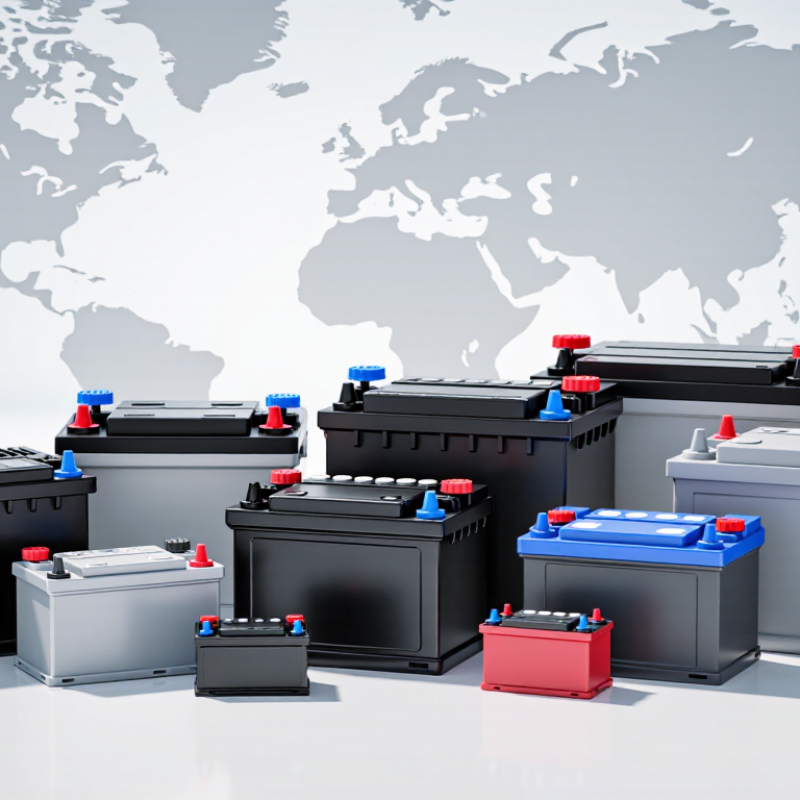
Choosing among the top ten car battery options starts with the vehicle’s electrical demands, climate, and driving pattern. Flooded lead-acid batteries suit many older vehicles and warm regions. They remain affordable and widely serviceable. Enhanced flooded batteries support basic start-stop systems. Absorbent glass mat batteries handle frequent cycling, high electrical loads, and vehicles with advanced electronics. They also resist vibration better. Check the required cold cranking amps, case size, terminal position, and reserve capacity. A strong battery can still fail if its dimensions are wrong.
Calcium batteries offer lower water loss, but charging requirements can differ. Gel batteries serve some specialty and deep-cycle applications, though they are not ideal for every engine-starting system. Lithium starter batteries reduce weight and may suit selected performance or recreational vehicles. They require suitable battery management and charging controls. Hybrid vehicles can use a separate 12-volt auxiliary battery, even when their main propulsion system is different. Commercial vans often need higher reserve capacity because lighting, refrigeration, and telematics operate for long hours. Small motorcycles may use compact AGM or lithium units.
Climate changes the decision. Cold regions demand reliable cranking performance. Hot regions accelerate electrolyte evaporation and aging. I once treated capacity as the main buying factor, but that approach ignored vibration and charging habits. That was a useful correction. Buyers should compare warranty terms, production dates, recycling access, and local installer expertise. Specifications are only part of the evidence. The owner’s manual remains essential.
Top 10 Car Batteries for Global Buyers
This chart compares typical nominal capacity ranges across widely used automotive battery types and applications. Actual capacity depends on vehicle design, climate, electrical load, and manufacturer specifications.
Key Specifications for Comparing the Top 10 Car Batteries
When comparing the top 10 car batteries, start with the vehicle’s required group size, terminal layout, and case dimensions. A battery can have impressive power yet fail to fit the tray. Measure the length, width, height, and hold-down position before checking online prices. I have seen buyers focus on capacity and overlook reversed terminals. That mistake creates unnecessary installation problems.
Cold cranking amps (CCA) show how strongly a battery can start an engine in cold conditions. Reserve capacity (RC) indicates how long it can support essential systems after charging stops. Amp-hour capacity helps compare energy storage, but it should not replace the vehicle maker’s specification.
Check whether the car needs a flooded, enhanced flooded, or absorbed glass mat design. Start-stop systems often require stronger cycling performance. Short trips demand attention too. They may prevent full recharge.
Temperature range, vibration resistance, recharge acceptance, and expected cycle life reveal practical durability. Compare warranty length, test standards, production date, and seller storage conditions. A fresh battery stored correctly is usually a safer choice than an older unit with similar ratings.
Use a multimeter after installation, then inspect charging voltage with the engine running. My early comparisons relied too much on CCA. I now consider fit, driving habits, climate, and electrical load together. No single number tells the whole story.
Top 10 Car Batteries Ranked by Performance, Durability, and Value
Top 10 Car Batteries to Buy for Global Buyers
The top battery combines strong cold-cranking power, steady voltage, and a long service life. The second choice uses advanced absorbed-glass-mat construction for vehicles with heavy electrical demands. A durable calcium-alloy battery ranks third, offering low water loss in hot climates. The fourth option provides reliable starting power at a moderate price. Good value matters.
The fifth battery suits compact cars and mild driving conditions. The sixth delivers useful reserve capacity for vehicles with navigation, cameras, and safety systems. A reinforced battery ranks seventh for rough roads and frequent vibration. The eighth offers balanced performance for mixed urban and highway use. The ninth is a lightweight choice, but buyers must confirm charging-system compatibility. The tenth focuses on budget value and may fit older vehicles better.
Real-world testing should include morning starts, terminal condition, and voltage after the car rests overnight. I have seen a high-rated battery fail early when its size or polarity was wrong. Check the owner’s manual, cold-cranking rating, reserve capacity, terminal layout, and warranty terms before ordering internationally. Climate changes the result. Extreme heat can shorten service life, while severe cold exposes weak starting power. Shipping time also matters because stored batteries can lose charge. A ranking can oversimplify personal needs. A taxi driver and a weekend driver should not choose identically. Even the best battery needs clean terminals, secure mounting, and a healthy charging system. Fresh installation records help track performance.
Top 10 Car Batteries to Buy for Global Buyers? - Top 10 Car Batteries Ranked by Performance, Durability, and Value
| Rank |
Battery Profile |
Technology |
Common Group Size |
Nominal Voltage |
Capacity |
Cold-Cranking Amps |
Reserve Capacity |
Expected Service Life |
Typical Price Range
(USD) |
Performance Score |
Durability Score |
Value Score |
| 1 |
Premium High-Capacity AGM |
AGM lead-acid |
H8 / L5 |
12 V |
70–80 Ah |
800–850 A |
140–160 min |
4–7 years |
$240–$360 |
98/100 |
96/100 |
82/100 |
| 2 |
Heavy-Duty AGM |
AGM lead-acid |
H7 / L4 |
12 V |
65–75 Ah |
760–850 A |
120–150 min |
4–6 years |
$210–$330 |
96/100 |
95/100 |
84/100 |
| 3 |
Compact AGM Start-Stop |
AGM lead-acid |
H6 / L3 |
12 V |
60–70 Ah |
680–760 A |
110–135 min |
4–6 years |
$190–$300 |
93/100 |
93/100 |
86/100 |
| 4 |
Enhanced-Cycle EFB |
EFB lead-acid |
H7 / L4 |
12 V |
65–75 Ah |
700–760 A |
115–140 min |
3–5 years |
$150–$240 |
89/100 |
86/100 |
91/100 |
| 5 |
High-Output AGM |
AGM lead-acid |
H5 / L2 |
12 V |
55–65 Ah |
650–700 A |
100–125 min |
4–6 years |
$170–$270 |
88/100 |
91/100 |
87/100 |
| 6 |
Standard EFB Start-Stop |
EFB lead-acid |
H6 / L3 |
12 V |
60–70 Ah |
650–720 A |
105–130 min |
3–5 years |
$135–$220 |
85/100 |
84/100 |
90/100 |
| 7 |
Premium Flooded Starting |
Flooded lead-acid |
H8 / L5 |
12 V |
70–80 Ah |
700–800 A |
120–150 min |
3–5 years |
$125–$210 |
84/100 |
79/100 |
92/100 |
| 8 |
High-Capacity Flooded |
Flooded lead-acid |
H7 / L4 |
12 V |
65–75 Ah |
650–750 A |
105–135 min |
3–5 years |
$110–$190 |
82/100 |
77/100 |
93/100 |
| 9 |
Economy Flooded Starting |
Flooded lead-acid |
H6 / L3 |
12 V |
55–65 Ah |
600–700 A |
90–115 min |
2–4 years |
$85–$155 |
78/100 |
70/100 |
94/100 |
| 10 |
Compact Flooded Starting |
Flooded lead-acid |
H5 / L2 |
12 V |
45–60 Ah |
500–650 A |
80–105 min |
2–4 years |
$75–$140 |
75/100 |
68/100 |
95/100 |
Data represents typical specifications and market ranges for widely used 12-volt automotive battery formats. Actual capacity, cold-cranking performance, dimensions, terminal layout, fitment, climate suitability, and pricing vary by manufacturer and market. Always confirm the vehicle manufacturer’s required battery group size and technology before purchase.
Global Buying, Warranty, Shipping, and Installation Considerations
A reliable top-ten car battery list should begin with fit, not popularity. Global buyers need the correct voltage, capacity, cold-cranking rating, dimensions, and terminal position. A battery that fits one vehicle may not fit another, even with the same engine size. Check the vehicle manual and measure the battery tray before ordering. Hot climates accelerate water loss, while cold regions demand stronger starting performance. I have seen buyers choose by price alone and regret it during the first difficult start.
Warranty terms require careful reading. Confirm the coverage period, replacement process, and whether international claims are accepted. Some warranties require the original invoice, registration details, or a certified battery test. Shipping can add unexpected costs. Ask whether the shipment is classified as regulated cargo, how it will be packed, and whether customs charges are prepaid. Batteries should arrive upright, sealed, and protected from impact. A delayed delivery is not ideal.
Installation also varies by vehicle. Turn off the engine, wear eye protection, and match positive and negative terminals carefully. Reverse polarity can damage electrical systems. Some modern vehicles require memory-saving equipment or electronic registration after replacement. If the battery is heavy, poorly accessible, or connected to sensitive electronics, use a qualified technician. Local recycling rules may require the old battery to return through an approved collection point. The process seems simple. Small errors still matter.