Top Tips for Buying Car Batteries in China Reliable Options?
In the complex world of Car Battery Purchase, understanding reliability is crucial. Renowned automotive expert, Dr. John Lee, states, “Choosing the right battery can make or break your vehicle's performance.” This insight underscores the importance of informed decision-making in a market crowded with options.
When facing the vast array of batteries in China, buyers should prioritize quality and compatibility. Many consumers make the mistake of focusing solely on price, often sacrificing reliability. This can lead to further costs down the line, making it essential to evaluate long-term value over short-term savings.
Navigating the purchase process requires careful thought. Factors like battery type, brand reputation, and warranty terms play significant roles. Often, people overlook the importance of researching brand reliability. Taking the time to assess user reviews and expert recommendations can lead to a satisfactory purchase. No one wants to be stranded due to an inadequate battery.
Understanding Different Types of Car Batteries Available in China
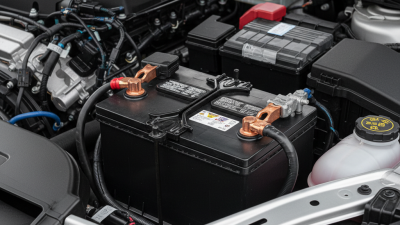
When buying car batteries in China, understanding the different types available is crucial. Lead-acid batteries are the most common. They are affordable and reliable for many vehicles. However, they can be heavy and might not last as long in demanding conditions. Many drivers often overlook maintenance needs with these batteries, leading to reduced performance.
Lithium-ion batteries are gaining popularity. They're lighter and generally have a longer lifespan. This makes them a good choice for electric vehicles. However, the initial cost is often higher. Some consumers are unsure if the investment is worth it. Balancing initial costs with long-term savings is essential for making a choice that fits your needs.
Another option is the AGM (Absorbent Glass Mat) battery. These are more advanced than traditional batteries. They can resist vibration and do not spill, making them safer. Still, some users find them complicated to install. Issues with incorrect installation can lead to further problems down the line. Evaluating your specific vehicle and driving habits will help simplify your decision.
Key Factors to Consider When Choosing a Car Battery
When choosing a car battery in China, several key factors are crucial. Battery capacity is one of the most important aspects to consider. This determines how long your car will run before needing a recharge. A battery with insufficient capacity can leave you stranded, especially in extreme weather conditions. Always check the specifications for voltage and reserve capacity.
Another factor is the battery type. Most vehicles use either lead-acid or lithium-ion batteries. Lead-acid batteries are traditional and generally cheaper, while lithium-ion batteries are more efficient and have a longer lifespan. Understanding the benefits and drawbacks of each type can help guide your decision.
Assessing the warranty is equally vital. A longer warranty period usually indicates better quality and reliability. Look for batteries that offer at least a two-year warranty. This reflects the manufacturer's confidence in their product. Reviews from other customers can shine a light on potential issues you might face. Don’t hesitate to ask for recommendations from trusted mechanics or fellow drivers. Research and experience matter when making your choice.
Top Brands and Manufacturers in the Chinese Car Battery Market
When buying car batteries in China, understanding the local landscape is key. The market features a variety of brands, each with unique strengths and weaknesses. Popular manufacturers often emphasize durability, while others might focus on price. Exploring options from these different companies can reveal valuable insights.
Quality control is an essential aspect. Some brands are known for rigorous testing, ensuring their batteries perform well under demanding conditions. However, less reputable manufacturers might cut corners, offering cheaper options that could fail prematurely. Researching user reviews can help identify reliable products, but keep in mind that experiences vary widely.
Choosing the right battery involves balancing performance and cost. While some high-end brands offer extended warranties, budget buyers may feel tempting to opt for lower-priced alternatives. Yet, such decisions can lead to unexpected consequences. Investing in a battery known for reliability typically pays off in the long run. Customers should reflect on long-term needs versus short-term savings, as this can significantly impact overall vehicle performance.
Average Lifespan and Warranty Expectations for Car Batteries
When considering the lifespan of car batteries in China, understanding average longevity is crucial. Generally, lead-acid batteries last between three to five years. However, environmental factors play a significant role in their durability. For instance, extreme temperatures can shorten life expectancy. A recent industry report highlighted that extreme heat can reduce battery life by up to 30%. Therefore, choosing a battery suitable for local conditions is essential.
Warranty expectations are also vital for buyers. Most manufacturers offer warranties ranging from 12 to 36 months. Some premium options come with longer warranties, but this often reflects the overall quality and performance. A survey conducted by the Battery Manufacturers Association found that only 15% of consumers fully understand warranty terms. Misunderstandings can lead to unexpected costs if replacements are needed prematurely. In addition, it is advisable to consult local experts for insights on regional reliability and experiences regarding various models.
Environmental Regulations Affecting Car Battery Disposal and Recycling in China
When purchasing car batteries in China, understanding environmental regulations is crucial. The proper disposal and recycling of batteries significantly affects the ecosystem. Car batteries contain harmful substances, such as lead and acid. Improper disposal can lead to soil and water contamination. Therefore, buyers should choose batteries from reputable sources.
Recent regulations emphasize safe disposal practices. Many cities have established collection points for used batteries. These locations ensure that hazardous materials are handled correctly. Encouragingly, the government incentivizes recycling programs. Consumers can benefit from recycling incentives offered by local authorities.
However, challenges remain in implementation. Not all recycling facilities meet the required standards. Awareness about battery disposal among the public is still low. Some consumers unknowingly dispose of batteries in regular waste. This lack of knowledge contributes to environmental issues. It’s vital for consumers to educate themselves on responsible disposal methods. This awareness can spark broader changes in community practices, promoting a healthier environment.