2026 Top Car Battery Cost How Much Does It Cost?
A car battery can fail quietly, then leave you stranded beside a grocery store or a cold driveway. In 2026, Car Battery Cost depends on battery type, vehicle design, warranty coverage, labor rates, and local climate. A basic flooded lead-acid battery may cost about $100 to $180. An AGM battery can reach $200 to $350. Hybrid and electric vehicle batteries require a different discussion, because replacement costs may reach thousands of dollars.
Craig Van Batenburg, founder of the Automotive Career Development Center and a respected hybrid-vehicle trainer, often teaches the practical rule, “Test, don’t guess.” That advice matters before spending money. A weak alternator, loose terminal, or parasitic electrical drain can look like a dead battery. Replacing the wrong part wastes time and money.
This guide examines real purchase prices, installation fees, battery warranties, and regional differences. It also explains why some vehicles need battery registration after installation. That small service can affect charging performance and battery life. A five-year warranty may sound impressive, but replacement terms can contain limits and prorated coverage.
Prices are not perfectly predictable. Online estimates may exclude installation, disposal, taxes, or coding charges. Dealer quotes can also vary widely. A compact sedan might need only a quick replacement, while a modern luxury vehicle may require specialized tools and additional programming. We will compare these scenarios clearly, while acknowledging one uncomfortable fact: the cheapest battery is not always the lowest-cost choice.
What Determines the Cost of a Car Battery in 2026
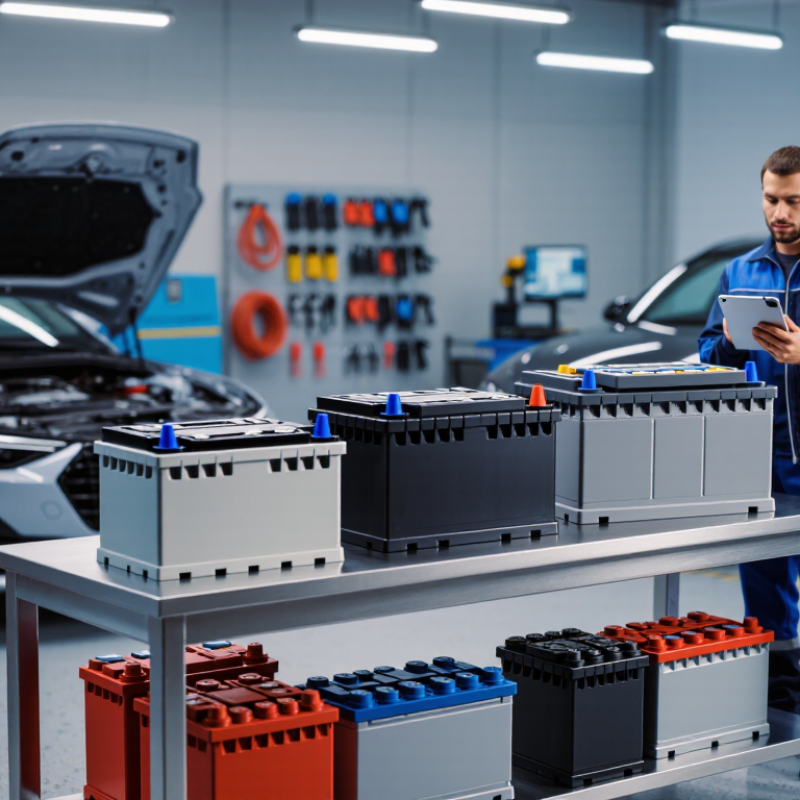
In 2026, a car battery may cost about $100 to $350 before installation. The final price depends on more than the battery itself. Standard flooded lead-acid units usually cost less. Absorbent glass mat batteries often cost more because they support vehicles with higher electrical demands. Advanced start-stop systems can require another battery design.
Vehicle fit is a major cost factor. Battery size, terminal position, cold-cranking rating, and reserve capacity must match the vehicle. A small mismatch can cause weak starts or electronic warnings. AAA automotive research commonly places battery life around three to five years. Extreme heat can shorten that period. S&P Global Mobility reported that the average U.S. vehicle age reached about 12.6 years in 2024, increasing replacement demand as older vehicles remain on the road.
Labor also changes the 2026 bill. Some vehicles need memory preservation, battery registration, or electronic-system testing after replacement. Urban labor rates may exceed rural rates. Delivery fees and disposal charges can add modest costs. Warranty length matters, but a longer warranty does not always mean better value. I would compare the installed price, reserve capacity, warranty terms, and test results together. A neat national average can mislead. Weather, driving habits, and vehicle electronics matter more than many buyers expect.
Average Car Battery Prices by Type, Size, and Vehicle
2026 Top Car Battery Cost: How Much Does It Cost?
In 2026, a standard flooded lead-acid car battery usually costs $90 to $180. Larger batteries for trucks and SUVs often range from $130 to $260. Prices vary with capacity, cold-cranking amps, and terminal layout. A compact city car may need a smaller 12-volt battery, while a large diesel vehicle needs more starting power.
Absorbent glass mat batteries commonly cost $180 to $380. They suit vehicles with frequent stop-start use and higher electrical demands. Enhanced flooded batteries usually fall between $130 and $250. Battery size groups are not universal across every vehicle, so checking the owner’s manual remains essential. I have seen drivers buy a battery that physically fits but lacks enough starting power. It failed early.
Installation can add $25 to $90, depending on access and required electronic registration. Some newer vehicles need battery-management settings reset after replacement. Mobile service may cost more, especially during severe weather or late hours. Ask for the battery’s production date, warranty terms, and tested voltage. A battery sitting in storage for too long may perform poorly. These prices are practical estimates, not fixed promises. Local labor rates and seasonal demand can change the final bill.
| Battery Type | Common Vehicle Applications | Typical Battery Size | Typical Capacity | Battery-Only Price | Installed Replacement Cost | Typical Service Life | Important Cost Factors |
|---|---|---|---|---|---|---|---|
| Flooded Lead-Acid | Older compact cars, sedans, small crossovers, and vehicles without start-stop systems | BCI Groups 35, 47, 51R, 58, 75 | 40–70 Ah; approximately 400–650 CCA | $80–$180 | $140–$300 | 3–5 years | Usually the lowest-cost option; pricing changes with cold-cranking capacity, reserve capacity, warranty length, and battery size. |
| Enhanced Flooded Battery (EFB) | Many vehicles equipped with basic automatic start-stop systems | BCI Groups 48, 49, 51R, 70, 75 | 55–85 Ah; approximately 500–800 CCA | $130–$260 | $200–$400 | 3–6 years | Designed for more frequent engine starts than a standard flooded battery; the vehicle may require battery registration or reset after replacement. |
| Absorbent Glass Mat (AGM) | Luxury vehicles, vehicles with advanced start-stop systems, high electrical loads, and some performance vehicles | BCI Groups 24F, 34, 48, 49, 94R | 60–105 Ah; approximately 600–950 CCA | $180–$380 | $270–$550 | 4–7 years | Costs more than conventional batteries but offers strong vibration resistance and better support for repeated cycling and higher electrical demand. |
| Heavy-Duty Lead-Acid | Full-size trucks, diesel vehicles, vans, commercial vehicles, and vehicles requiring high starting power | BCI Groups 24, 27, 31, 65, 78 | 70–120 Ah; approximately 650–1,000 CCA | $150–$350 | $230–$500 | 3–6 years | Diesel engines may use two batteries, potentially doubling the parts cost and adding labor for testing and installation. |
| 12-Volt Lithium-Ion Starter Battery | Specialty performance vehicles, motorsport applications, and selected low-volume applications | Application-specific; not interchangeable with standard group sizes | 20–60 Ah equivalent starting capacity | $500–$1,500+ | $550–$1,700+ | 5–10 years | Not a universal replacement. Compatibility, charging-system requirements, battery-management electronics, and installation procedures can substantially increase the cost. |
| Hybrid Auxiliary 12-Volt Battery | Hybrid vehicles that use a separate 12-volt auxiliary battery in addition to the high-voltage traction battery | Application-specific; often compact AGM or specialized designs | 30–60 Ah; approximately 400–650 CCA | $180–$450 | $250–$650 | 4–7 years | The auxiliary battery is separate from the high-voltage hybrid battery. Access location and required initialization can affect labor charges. |
| Electric Vehicle 12-Volt Auxiliary Battery | Battery-electric vehicles that use a low-voltage auxiliary battery for electronic systems | Application-specific AGM or lithium-ion design | 20–60 Ah, depending on vehicle design | $150–$500 | $250–$750 | 3–6 years | This is not the main traction battery. High-voltage systems should only be serviced by qualified technicians, and software or system checks may be required. |
| Price guide: Amounts are typical 2026 U.S. estimates in USD for a single replacement battery. Battery-only prices generally exclude tax, delivery, core charges, and installation. Installed costs may include labor, testing, disposal, and basic battery registration, but actual prices vary by vehicle access, location, warranty, battery specification, and whether additional programming is required. Always match the vehicle manufacturer’s required battery group size, terminal layout, technology, reserve capacity, and minimum cold-cranking rating. | |||||||
Additional Costs for Installation, Testing, and Battery Disposal
A car battery’s price is only one part of the replacement bill. Installation commonly adds 30 to 100 dollars in the United States. The charge reflects labor, shop equipment, and vehicle access. Tight engine bays can turn a ten-minute job into an hour. The U.S. Bureau of Labor Statistics reported a median automotive technician wage of about 23.88 dollars per hour in its May 2024 data. Retail labor rates are higher because businesses carry overhead."
Battery testing may be free with replacement, but independent testing can cost 15 to 40 dollars. A weak result does not always mean the battery caused the problem. Alternator faults and parasitic drains can produce similar symptoms. Diagnostic labor may add 50 to 150 dollars. I have seen drivers replace a battery twice before checking the charging system. That mistake is expensive.
Disposal also deserves attention. Some repair shops charge 5 to 15 dollars, while others waive the fee when they sell the replacement. The U.S. Environmental Protection Agency classifies lead-acid batteries as universal waste and reports recycling rates near 100 percent. Keep the old battery upright during transport. Leaking fluid is hazardous. Costs vary by vehicle and location, so a realistic budget should include testing, installation, and disposal, not just the shelf price.
How to Compare Car Battery Value, Warranty, and Lifespan
2026 Top Car Battery Cost: How Much Does It Cost?
Comparing car battery value requires more than checking the purchase price. A cheaper battery may have a shorter warranty, weaker cold-cranking performance, or a shorter service life. Check the battery’s date code, capacity, reserve capacity, and cold-cranking rating. These details show how well it may handle winter starts and heavy electrical demand.
Warranty terms matter just as much. Read the free-replacement period carefully. Some warranties become prorated after a certain number of months. Installation fees, testing charges, and core deposits can also increase the final cost. Keep the receipt and confirm whether roadside assistance or professional installation is included. Small conditions can change the real value.
Lifespan depends on climate, driving habits, charging performance, and vibration. Many conventional batteries last about three to five years, but extreme heat can shorten that period. Short trips may also prevent full recharging. A technician can test starting power and charging voltage before replacement. I once treated the lowest price as the smartest choice. That calculation was incomplete. A battery lasting one extra year may cost less per month, even with a higher purchase price. Still, a long warranty does not guarantee long life. Check the terms, vehicle requirements, and recent test results before deciding.
Ways to Reduce the Total Cost of Replacing a Car Battery
Replacing a car battery in 2026 commonly costs about $100 to $300, depending on battery type, vehicle design, and labor. Consumer Reports’ battery buying guidance places many conventional batteries near the lower end, while start-stop systems often require pricier AGM batteries. Check the owner’s manual before choosing the cheapest option. It may fit badly.
Reduce the bill by testing the battery first. A weak alternator or parasitic electrical drain can damage a new battery quickly. Many repair shops provide basic battery and charging-system tests at no charge. AAA roadside-assistance guidance identifies battery failure as a frequent source of service calls, especially during extreme heat and cold. Ask for the test results in writing. That small step prevents guesswork.
Compare three prices: the battery alone, installation, and disposal fees. The U.S. Bureau of Labor Statistics continues tracking rising vehicle maintenance costs, making labor differences worth checking. A local technician may charge less than a dealership, but complicated battery registration can require specialized equipment. If you install it yourself, wear eye protection and photograph cable positions first. Recycle the old battery, which may also reduce the core charge. Waiting for total failure is tempting, but it can create towing costs and missed work. I have found that the lowest advertised price is not always the lowest final cost. Warranty length matters, too.
Related Posts
-
Top 10 Car Batteries to Buy for Global Buyers?
-
China Top 10 Car Battery Suppliers and Cost Guide?
-

The Evolution of Car Battery Technology in a Global Market
-

Unleashing Global Trust with the Best Car Batteries from China's Leading Manufacturers
-
10 Best Car Batteries for Global Buyers
-

Understanding the Factors Influencing Car Battery Cost: A Comprehensive Analysis for Savvy Consumers