
Why Choose a Tokimec Equivalent Pump?
Why Choose a Tokimec Equivalent Pump? The answer begins with the job the pump must do, not merely the name on its casing. A compatible equivalent can help keep a hydraulic system running when an original unit is costly, delayed, or difficult to source. But “equivalent” is not a promise of universal interchangeability. Flow rate, pressure range, shaft dimensions, port layout, rotation, and mounting details all matter. Small differences can mean extra noise, heat, or installation work. Sometimes, the pump fits. The system does not.
A careful comparison starts with the existing pump’s nameplate and the machine’s operating conditions. Check the technical documentation, then confirm critical dimensions and connections with the supplier. Ask about materials, testing, warranty, and support. These details are less exciting than a lower purchase price. They are often more useful. A practical selection principle is: “Match the operating conditions, not just the model number.” This is original editorial wording, not a verified quotation. No source material was provided to verify a named Tokimec Equivalent Pump expert or an authentic quote, so attributing one would risk misleading readers. That limitation matters. A well-chosen Tokimec Equivalent Pump can offer a dependable replacement path, but only when its specifications suit the real application. Compare carefully, document assumptions, and treat uncertain fitment as a reason to ask more questions—not to guess.
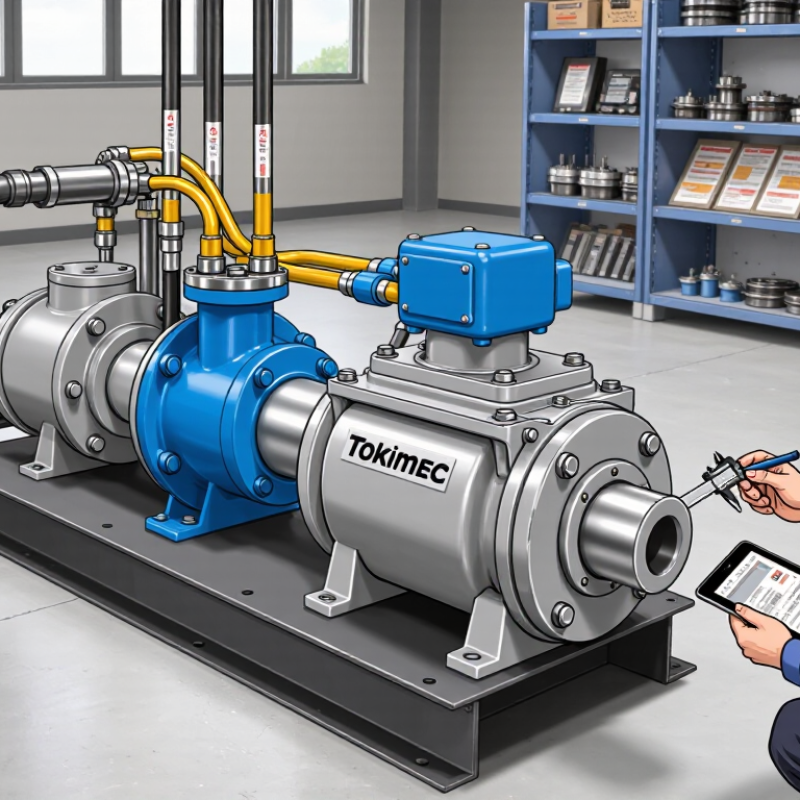
What Is a Tokimec Equivalent Pump?
A Tokimec equivalent pump is a replacement pump designed to match the operating requirements of a particular hydraulic system. “Equivalent” does not always mean identical in every detail. It means the pump should provide suitable flow and pressure while fitting the installation and working with the system’s fluid. The comparison should include displacement, rotation direction, shaft dimensions, mounting style, and port locations. Small differences matter. A pump that fits the mounting plate may still have the wrong shaft or connection size.
For a practical check, compare the original pump’s identification data with the replacement specifications and the machine’s service documentation. Confirm operating pressure and speed, not just the advertised maximum figures. Also check fluid type, seal material, and temperature range. These details can affect wear and leakage over time. A label alone can be misleading. I would not treat “equivalent” as proof of compatibility without reviewing the actual specifications; some measurements are easy to overlook.
Tips: Measure the shaft and ports, then verify rotation direction before installation. If system details are missing, ask a qualified hydraulic technician to assess the application. A brief check can prevent noisy operation, poor flow, or premature wear. Keep the old pump’s data plate and note any unusual fittings; those small clues are useful, though they do not replace proper specification checks.
How Does a Tokimec Equivalent Pump Work?
An equivalent hydraulic pump turns mechanical rotation into pressurized oil flow. In many variable-displacement designs, a drive shaft rotates a cylinder block containing several pistons. A tilted swash plate makes each piston move in and out as the block turns. On the inlet stroke, a piston draws oil into its chamber. On the outlet stroke, it pushes oil toward the hydraulic circuit. The cycle repeats continuously. Small parts, steady movement.
Pump output depends on shaft speed and piston displacement. A control mechanism can change the swash-plate angle, adjusting how much oil moves with each rotation. At a smaller angle, flow usually falls; at a larger angle, it rises. Exact controls vary by model, so the pump’s configuration matters. That sounds simple. In practice, it isn’t. Port positions, rotation direction, control type, and pressure rating must match the system. A replacement that fits the mounting points may still perform poorly if its displacement or control response differs. Before installation, compare technical specifications and check the machine’s operating conditions. A little uncertainty is worth acknowledging: without the exact pump model and circuit details, compatibility cannot be confirmed from appearance alone.
What Benefits Does an Equivalent Pump Offer?
An equivalent hydraulic pump can help keep equipment running when the original unit is unavailable or costly to replace. The key benefit is flexibility, not simply a lower purchase price. A suitable alternative may reduce downtime and fit existing maintenance plans. However, “equivalent” does not always mean identical. Check displacement, pressure rating, rotation, shaft dimensions, and port locations against the machine’s specifications.
A well-matched pump can deliver dependable flow without requiring major system changes. It may also make routine servicing easier if replacement parts are readily accessible. Before installation, compare the pump’s operating range with the machine’s actual workload. A unit that meets the pressure rating but differs in flow can affect speed, heat, or performance. Small details matter. I would not assume a pump is compatible based on appearance alone; confirm the specifications and consult a qualified technician when data is unclear.
Tips: Record the old pump’s model data, shaft measurements, and port arrangement before ordering. Check fluid compatibility and installation instructions, then monitor pressure, noise, and temperature during a controlled first run. Don’t rush this step.
Why Choose a Tokimec Equivalent Pump?
Illustrative centrifugal-pump affinity laws: For the same pump operating under similar conditions, flow varies approximately with speed, head with speed squared, and power with speed cubed. These normalized values show why an equivalent pump should be checked against the required operating point—not selected by name alone.
Values are theoretical percentages relative to operation at 100% speed, based on pump affinity laws. Actual performance depends on the pump, fluid, and system conditions. Verify duty, efficiency, materials, connections, and operating limits when assessing an equivalent pump.
How to Check Pump Compatibility and Specifications
Choosing an equivalent pump starts with the machine’s actual requirements, not a similar-looking part number. Check displacement, rated flow, operating pressure, shaft speed, and rotation direction against the original pump’s documentation. Measure the mounting face, bolt spacing, shaft diameter, and port locations. Even a few millimeters can prevent installation. Measure twice. Confirm inlet and outlet sizes, thread type, and port orientation. A cross-reference can look convincing and still miss these details.
Then evaluate the working conditions. Note the fluid type, viscosity, temperature range, duty cycle, and expected pressure peaks. Check that seals and internal materials suit the fluid. Compare continuous and intermittent ratings; do not rely on a maximum figure alone. Small differences matter. Check motor compatibility, coupling alignment, and the system’s relief setting before installation.
If the catalog lists only a broad model family, request the exact configuration sheet and confirm the complete model code. It is easy to over-focus on flow; also recheck noise, heat, and startup behavior after fitting. If any specification is missing, treat compatibility as unconfirmed, not assumed.
| Compatibility Dimension | What to Match | How to Check | Why It Matters |
|---|---|---|---|
| Displacement | Match the original pump’s displacement in cm³/rev, unless the system has been engineered for a different value. | Check the pump nameplate, model documentation, or technical drawing. Confirm whether the stated value is fixed or adjustable. | Displacement affects theoretical flow at a given rotational speed and can change actuator speed and system response. |
| Flow rate and speed | Confirm the required flow at the intended operating speed, including the drive’s actual speed range. | For a positive-displacement pump, estimated theoretical flow is: displacement (cm³/rev) × speed (rpm) ÷ 1,000 = flow (L/min). Actual flow is lower because of volumetric losses. | A pump with an unsuitable flow rate may cause slow operation, excessive speed, or insufficient system performance. |
| Pressure rating | Check continuous operating pressure separately from intermittent or peak pressure. The replacement must meet the system’s required pressure duty. | Compare the pump rating with the machine’s documented operating conditions and pressure-relief setting. Do not treat a peak rating as a continuous rating. | Pressure above the applicable rating can shorten service life or cause component failure. |
| Power and torque demand | Verify that the motor or engine can supply the pump’s required input power and starting torque. | Hydraulic power in kW can be estimated as pressure (MPa) × flow (L/min) ÷ 60. Required input power is higher because pump and drive efficiencies are below 100%. | An undersized drive may overheat, stall, or fail to maintain the required operating conditions. |
| Rotation direction | Match the required clockwise or counterclockwise rotation, viewed from the specified reference end. | Use the installation drawing or pump markings and confirm the viewing direction. Do not assume rotation from shaft position alone. | Incorrect rotation can prevent proper operation and may damage the pump, depending on its design. |
| Mounting interface | Match flange type, pilot diameter, bolt pattern, and mounting dimensions. | Compare the pump drawing with the machine interface. Check dimensions and tolerances rather than relying only on a general mounting description. | A close-looking but mismatched mounting interface can cause misalignment, leakage, or excess vibration. |
| Shaft and coupling | Match shaft diameter, length, key or spline details, and coupling requirements. | Check the shaft drawing and coupling specification, including engagement length and any permitted radial or angular misalignment. | A correct shaft interface helps transmit torque while reducing undue loading on the pump shaft and bearings. |
| Port connections | Match inlet and outlet port locations, thread or flange type, size, and sealing method. | Compare port drawings and identify the connection standard and sealing arrangement. Confirm inlet plumbing is suitable for the pump’s flow requirements. | Incorrect connections can cause leaks, restricted flow, or air entry on the inlet side. |
| Working fluid and viscosity | Confirm compatibility with the actual fluid type, operating temperature, and viscosity range specified for the pump. | Check the pump documentation and fluid data sheet. Verify both cold-start and normal operating conditions. | Viscosity and fluid compatibility affect lubrication, internal leakage, heat generation, and component life. |
| Seals and materials | Confirm that seal and material options are compatible with the fluid, temperature, and operating environment. | Review the pump’s material and seal specifications against the fluid manufacturer’s compatibility information. | Incompatible materials can swell, harden, corrode, or otherwise degrade. |
| Control and adjustment features | Match the required control type, adjustment range, and control connections, where applicable. | Check whether the original unit is fixed-displacement or variable-displacement and compare its control functions and settings. | A pump with different control behavior may not respond correctly in the existing hydraulic circuit. |
| Operating environment | Check ambient temperature, duty cycle, contamination conditions, and any applicable installation limits. | Compare the equipment’s real operating conditions with the pump’s documented limits and maintenance requirements. | Environmental conditions can affect cooling, wear, reliability, and service intervals. |
| Selection note: A pump should be considered compatible only after its hydraulic performance, mounting and drive interfaces, fluid requirements, and operating limits have been checked against the machine’s specifications. Confirm final selection with the pump documentation and the equipment designer or qualified service professional. | |||
How to Select and Maintain the Right Replacement Pump
Choosing a replacement pump starts with the duty point, not the old pump’s nameplate. Record the required flow and total head, then compare them with the system curve. Check fluid temperature, viscosity, solids, and chemical compatibility. Confirm mounting dimensions, port size, shaft rotation, motor speed, and seal arrangement. A pump that bolts in may still run poorly. One detail is easy to miss: suction conditions. Verify available NPSH against the replacement pump’s requirement to reduce cavitation risk.
The U.S. Department of Energy’s Improving Pumping System Performance: A Sourcebook for Industry reports that pumping systems use nearly 20% of global electricity. In some industrial facilities, they account for 25–50% of energy use. The sourcebook also identifies potential energy savings of 20–50% through system optimization; results depend on the installation. After fitting a pump, check alignment, leaks, vibration, bearing temperature, and strainer condition. Keep a simple baseline of pressure, flow, and motor current. Small changes matter. A rising vibration reading or warmer bearing can reveal trouble before failure, though readings alone do not diagnose the cause. Review maintenance intervals against operating hours and fluid conditions, not just calendar dates.