Why Choose a J1772 Charging Station?
Choosing a J1772 charging station can make home or workplace charging easier for many electric vehicle owners in North America. The connector is widely used for AC charging, including Level 1 and Level 2 setups. That matters. A driver can park, connect the cable, and let the vehicle charge while they sleep, work, or shop. For a homeowner, a Level 2 station may add useful range overnight, depending on the vehicle, electrical supply, and charging rate. Actual results vary.
Compatibility still deserves a careful check. Many electric vehicles use a J1772 inlet, while some models need an approved adapter or use a different connector. Check your vehicle manual and the station’s specifications before buying. Also consider cable length, installation needs, weather protection, and whether smart features are genuinely useful. A long cable might reach around a parked car, but it can also become awkward to store. Small detail. Charging speed depends on more than the station alone; the vehicle’s onboard charger and available electrical capacity also matter. A licensed electrician can assess the installation and help confirm what your home can support. The right choice is not always the most powerful or feature-rich model. It is the station that suits your vehicle, parking space, and routine. There is no perfect setup for everyone, and that is worth admitting before comparing prices. A practical J1772 charging station can offer dependable everyday charging, provided its compatibility and installation requirements are verified.
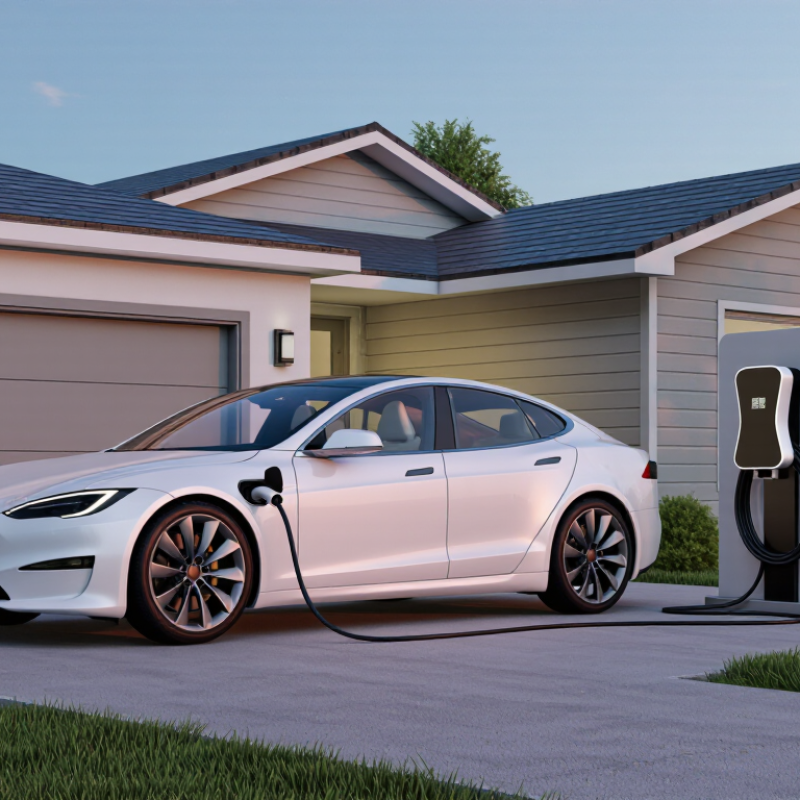
What Is a J1772 Charging Station?
A J1772 charging station is equipment that supplies AC power to an electric vehicle through a standardized connector. The plug typically has five contacts: power, ground, and signaling connections. When connected, the station and vehicle exchange signals about charging readiness and the current available. The station also monitors for problems, such as a ground fault, and can stop power flow.
It is not usually the station that converts AC into the DC stored in the battery. The vehicle’s onboard charger performs that job, so charging speed depends on both the station’s output and the car’s capacity. J1772 equipment is commonly used for Level 1 and Level 2 AC charging. Level 1 is slower; Level 2 often uses a higher-voltage circuit. Check your vehicle’s specifications.
The small details matter. A cable should reach the charge port without pulling tight, even when the car is parked at an angle. Installation also depends on the home circuit’s capacity, not just the station’s advertised output. Some vehicles need a compatible adapter, and compatibility should be confirmed before purchase. A familiar connector does not guarantee the same charging speed everywhere.
How Does J1772 Charging Work?
Why Choose a J1772 Charging Station?
How Does J1772 Charging Work?
A J1772 station delivers AC power to a compatible electric vehicle through a plug-and-cable connection. The station does not usually convert that power into the form stored by the battery. Instead, the vehicle’s onboard charger handles the AC-to-DC conversion. Charging speed depends on the station’s available power and the vehicle’s onboard charger. A more powerful station cannot exceed the vehicle’s own charging limit.
Before electricity flows, the vehicle and station exchange signals. The station checks that the connector is seated and indicates how much current is available. The vehicle then requests power within its limits. This short pause is part of the safety process. The handle should click into place, and the car’s dashboard or charging indicator should confirm the session. J1772 is commonly used for AC charging, rather than high-speed DC charging. The process is straightforward, though a stiff cable can feel awkward in cold weather.
Tips: Check your vehicle’s manual for connector compatibility and charging limits. Insert the plug fully, then confirm charging has started. If it does not, reseat the connector and inspect the station display. The small details matter.
Which Electric Vehicles Are Compatible With J1772?
Why Choose a J1772 Charging Station?
Which Electric Vehicles Are Compatible With J1772?
A J1772 station works directly with electric vehicles that have a J1772 inlet. Many battery-electric cars and plug-in hybrids sold in North America use this connector for Level 1 or Level 2 AC charging. SAE J1772 defines the connector and charging requirements. Check the inlet or owner’s manual before plugging in; model year and market can change the setup. At a shared garage, also check that the cable reaches the parking space.
Some newer vehicles use a different inlet, but a compatible, vehicle-approved adapter may allow AC charging from a J1772 station. Adapter support is not universal, and an adapter does not turn an AC station into a DC fast charger. That detail is easy to miss. The International Energy Agency’s Global EV Outlook 2024 reported more than four million public charging points worldwide at the end of 2023, about 40% more than in 2022. That growth means drivers may meet several connector types; checking the vehicle’s exact charging specification remains the safer habit.
Why Choose a J1772 Charging Station?
J1772 stations support AC charging for electric vehicles with a J1772 inlet. The examples below show how voltage and current affect charging power.
Illustrative power is calculated as voltage × current: 120 V × 12 A, 240 V × 32 A, and 240 V × 80 A. Actual charging speed depends on the station, electrical supply, and vehicle’s onboard charger. Vehicles with a different inlet may require a compatible adapter.
What Benefits Does a J1772 Station Offer?
A J1772 charging station offers a familiar AC charging connection for home, workplace, and public use. It supports Level 1 and Level 2 charging, so drivers can choose slower overnight charging or faster top-ups when suitable power is available. Its control-pilot communication helps the vehicle and station confirm that a connection is ready before charging begins. The routine is simple: park, connect the cable, and check the vehicle’s charging display. A useful fit—but not universal.
The International Energy Agency’s Global EV Outlook 2024 reports that public charging points worldwide grew by more than 40% in 2023.
That figure covers all connector types, not J1772 installations, but it shows why widely usable AC charging matters as networks expand.
For drivers, a J1772 station can make charging easier at destinations where a compatible outlet is available, without relying on a fast-charging stop. Compatibility still needs checking: some vehicles use a different inlet and may require an appropriate adapter. Installation also depends on circuit capacity and charging speed, details worth confirming before purchase. A small oversight can mean a slower charge than expected.
What Should You Consider Before Choosing One?
Why Choose a J1772 Charging Station?
What Should You Consider Before Choosing One?
Before choosing a J1772 station, confirm that your vehicle can use its connector. Many electric vehicles in North America support J1772 for AC charging, but compatibility can vary by model and year. Some vehicles need an approved adapter. Check the vehicle manual rather than relying on a listing or a quick guess.
Charging speed depends on more than the station’s advertised output. Compare its amperage with your vehicle’s onboard charger and your home’s electrical capacity. A higher-rated unit may not charge your car faster if the car cannot accept that power. Have a qualified electrician assess the circuit and installation site. The panel may need an upgrade, which can change the total cost.
Think about where the cable will reach. Measure from the planned mounting point to the charging port, allowing room to park without stretching the cord. A longer cable sounds convenient, but it can be awkward to store. For outdoor use, check the station’s weather rating and follow its installation instructions. Also consider scheduling controls and energy monitoring. They can be useful, though not everyone needs them. Small details matter. A station that looks right online may feel inconvenient beside a real driveway.