Top 10 Karting Kart Manufacturers for Global Buyers?
Choosing the right Karting Kart manufacturer can shape safety, performance, operating costs, and customer satisfaction. Global buyers face a crowded market, with suppliers offering rental karts, racing models, electric systems, and youth-focused designs. A polished brochure is not enough. Factory experience matters.
This guide introduces ten manufacturers that deserve careful attention from international purchasers. The selection considers engineering quality, production consistency, after-sales support, spare-parts access, customization, and export experience. It also examines practical details, such as frame durability, brake response, battery range, seat adjustability, and delivery reliability. Small differences become obvious on a busy track. A weak steering component can create repeated maintenance problems. Slow parts delivery can stop operations for days.
Real-world performance remains important.
No ranking can suit every buyer. A professional racing team may value chassis tuning, while a family entertainment center may prioritize simple maintenance and fleet durability. Local regulations, climate, shipping conditions, and operator training also affect the final decision. These factors deserve honest comparison, not exaggerated promises.
The manufacturers discussed here are not presented as universally perfect. Some may offer stronger technology but weaker regional support. Others may provide dependable products with fewer customization options. That trade-off requires reflection. Buyers should verify certifications, warranty terms, technical documentation, and customer references before signing a purchase agreement. Factory visits, product demonstrations, and sample inspections can reveal details that online listings hide.
This introduction provides a practical starting point for comparing leading Karting Kart manufacturers and building a safer, more reliable purchasing strategy.
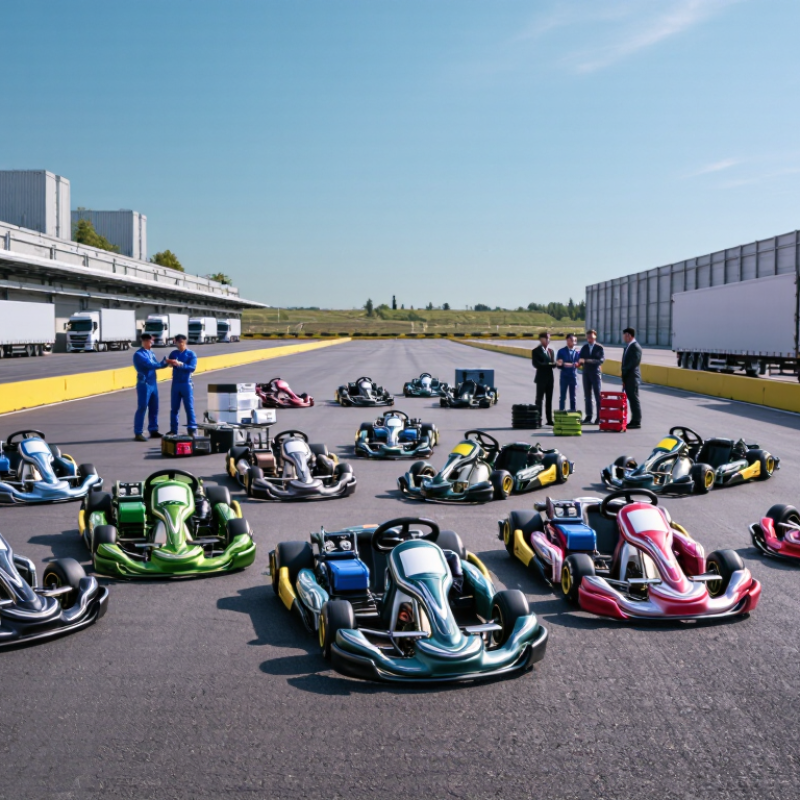
What Makes a Karting Kart Manufacturer a Global Leader?
A global karting leader is measured by more than production volume. It combines proven driving experience, engineering discipline, and dependable support across borders. Grand View Research estimates that the global go-kart market exceeded USD 2 billion in 2023, with continued growth expected through the decade. That growth raises buyer expectations.
Safety must be designed into the frame, steering system, braking layout, and protective structures. Leading manufacturers align testing with recognized standards, including FIA karting requirements and relevant ISO quality procedures. They also document material grades, weld inspections, and test results. Clear records build trust. So does traceable production.
A serious export partner also maintains spare parts for years, not months. Dealers need reliable shipping, multilingual manuals, and practical technical training. A cracked body panel should not stop a fleet for weeks. Manufacturing flexibility matters too. Electric and combustion models require different cooling, wiring, and maintenance knowledge. Industry forecasts from Fortune Business Insights indicate steady market expansion, but forecasts can miss local buying behavior.
That is worth remembering.
The strongest supplier listens to track operators, not only spreadsheets. It measures battery range, tire wear, lap consistency, and repair time under real conditions. No factory gets every variable right. However, a manufacturer that records failures, answers quickly, and improves the next batch shows genuine global leadership. Price still matters, but predictable ownership often matters more.
Top 10 Karting Kart Manufacturers for Global Buyers?
What Makes a Karting Kart Manufacturer a Global Leader?
This reference scorecard shows how global buyers commonly prioritize manufacturer capabilities. The 100-point weighting emphasizes regulatory compliance, consistent quality, international supply, product reliability, and long-term support rather than company size or brand visibility.
How the Top 10 Manufacturers Are Selected and Compared
Top 10 Karting Kart Manufacturers for Global Buyers?
Selecting the top ten manufacturers requires more than comparing prices or polished websites. A reliable review begins with documented manufacturing experience, product specifications, and factory quality procedures. Evidence matters. Audited facilities, traceable materials, and repeatable assembly standards reveal more than advertising claims. Each manufacturer should be checked for frame strength, braking performance, steering response, battery or engine reliability, and safety testing. Inspection records and sample units provide useful evidence before a large order.
Comparison also includes production capacity, customization support, delivery consistency, spare-parts availability, and technical communication. Global buyers should examine warranty terms carefully. Response times matter when a kart stops operating during a busy season. Total cost should include packaging, shipping, maintenance, training, and replacement components. A low purchase price can become expensive later. No ranking is perfect. Weighting commercial support too heavily may overlook design quality, while focusing only on performance can hide weak after-sales service.
Tips: Request recent test reports and clear product drawings. Ask for photos of welding points, control systems, tires, and protective packaging. Order a sample when practical. Test it on the intended surface and record acceleration, braking distance, noise, and operating temperature. Keep written communication. Small contradictions can expose larger process problems. Supplier claims should be verified independently, not accepted because they sound professional. A thoughtful comparison leaves room for uncertainty, especially when factory data is incomplete or difficult to validate.
Profiles of the Top 10 Karting Kart Manufacturers
Profiles of the Top 10 Karting Kart Manufacturers
The first manufacturer focuses on lightweight recreational karts, using tubular steel frames and simple controls. The second serves rental operators with durable bumpers, sealed electrical systems, and easy-clean seats. The third develops competition-oriented chassis with adjustable axles and responsive steering geometry. Setup experience matters here. The fourth specializes in electric karts, offering quiet motors, swappable batteries, and dashboard charge indicators. Its real-world range still depends heavily on rider weight and track layout. The fifth produces youth karts with lower seating positions, reduced speed settings, and clearly reachable controls.
The sixth manufacturer supplies off-road models with wider tires, reinforced guards, and higher ground clearance. The seventh builds compact indoor karts for facilities where turning space is limited. The eighth combines petrol engines with service-friendly layouts, allowing quicker access to filters and belts. The ninth emphasizes custom fabrication, including seat mounts and pedal adjustments for different drivers. The tenth targets premium buyers with polished frames, upgraded braking hardware, and detailed finish work.
A reliable buyer should compare frame thickness, motor output, braking response, spare-part access, and warranty terms. Ask for test data, not polished photographs. Manufacturing quality can vary between production batches. I have seen attractive karts lose value when replacement parts were difficult to source. Dealer training also deserves attention, especially for first-time operators. Some specifications look impressive but offer little benefit on a small track. A careful profile should mention limitations, not only strengths.
How Global Buyers Can Choose the Right Manufacturer
Choosing among the top 10 karting kart manufacturers requires more than comparing prices. Global buyers should examine production experience, engineering capacity, and after-sales support. A reliable manufacturer can explain frame materials, steering geometry, brake performance, and testing procedures clearly.
Ask for recent factory videos, quality records, and sample inspection reports. Do not accept polished photos alone. During one supplier review, I noticed a beautiful kart with uneven weld finishing beneath the seat. Small details can reveal larger process problems. Ask why.
Fit matters. Manufacturers should adapt seat sizes, tire specifications, engine options, and safety features to the intended market. Confirm packaging strength, spare-part availability, delivery schedules, and communication methods before signing an agreement. A factory that answers quickly but avoids technical questions may create costly delays later. Request a written warranty with clear coverage and response times. Check whether replacement parts are labeled and packed separately. It sounds minor. It saves time.
Independent testing can strengthen confidence, especially for braking, frame durability, and noise performance. Buyers should also verify that the manufacturer follows applicable product and transport requirements in the destination country. I would not choose the lowest quote without comparing material grades and inspection steps. Cheap units may become expensive after repeated repairs. Even experienced buyers can misjudge a supplier after one successful sample, so a small trial order and staged quality checks remain sensible.