Why Are Lithium Batteries Essential for Modern Technology?
In today's technology-driven world, Lithium Batteries play a crucial role. Renowned expert Dr. Emily Zhang, a leading researcher in battery technology, states, "Lithium batteries are the backbone of modern energy systems." This powerful statement highlights their importance in powering devices we rely on daily.
Lithium Batteries are essential for smartphones, laptops, and electric vehicles. Without them, our digital lives would come to a halt. These batteries provide portable energy storage that allows us to stay connected anytime, anywhere. However, the industry faces challenges, including environmental concerns and resource depletion.
The production of Lithium Batteries hasn’t been without issues. Mining lithium can harm ecosystems and local communities. Thus, we must reflect on our energy choices. As the demand for better batteries grows, so does the responsibility to innovate sustainably. Understanding both the benefits and challenges of Lithium Batteries is vital as we move forward.
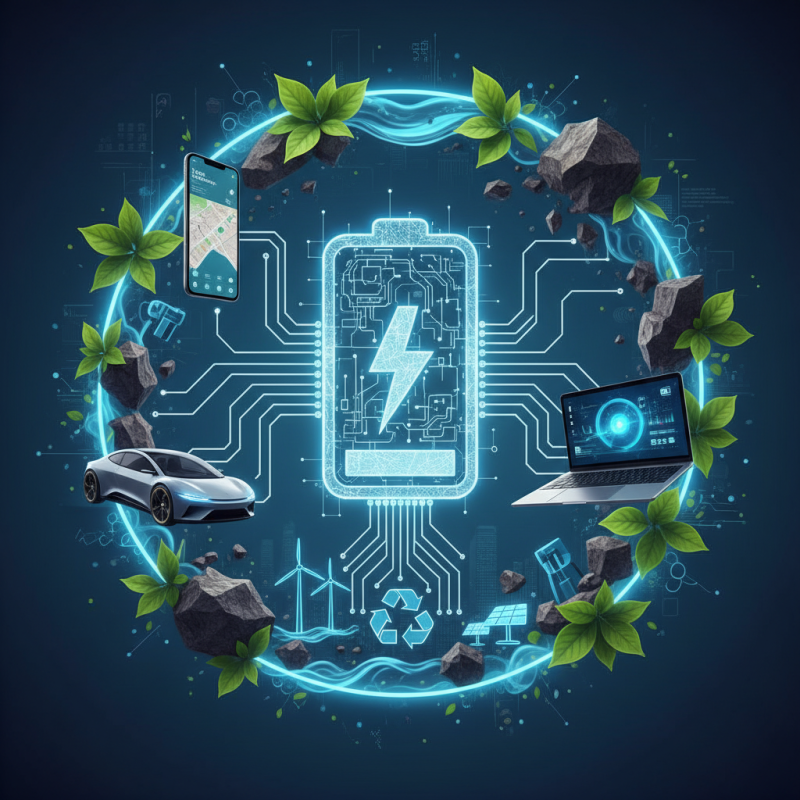
The Role of Lithium Batteries in Everyday Devices
Lithium batteries play a vital role in our daily lives. They can be found in smartphones, laptops, and electric vehicles. Their lightweight design and high energy density make them ideal for portable devices. People rely on them to keep their devices powered throughout the day. It’s hard to imagine life before these batteries became widespread.
When we use these batteries, we also face challenges. The production process can be harmful to the environment. Extracting lithium can damage ecosystems. There’s a need for more sustainable methods. Using lithium batteries increases our dependence on technology, which can lead to some worry about future availability. As technology evolves, balancing convenience and care for the planet remains crucial.
People often overlook how we dispose of these batteries. Improper disposal can lead to toxic waste. Recycling programs are essential, but not enough people participate. Awareness needs to grow. We all have a part to play in ensuring these innovations don’t come at a greater cost.
Applications of Lithium Batteries in Renewable Energy Solutions
Lithium batteries play a crucial role in renewable energy solutions. They store energy produced by solar panels and wind turbines efficiently. When the sun isn't shining, or the wind isn't blowing, these batteries supply power. They ensure a steady energy flow, reducing dependence on fossil fuels.
In electric vehicles, lithium batteries enable longer travel distances. They enhance the efficiency of the overall system. However, lithium extraction raises environmental concerns. Mining operations often disrupt local ecosystems. Plus, disposal of used batteries presents challenges. Improper recycling can lead to pollution.
Innovation is ongoing. Researchers explore sustainable alternatives to traditional lithium. The goal is to reduce ecological impact while maintaining high performance. Addressing these issues is vital for the future of clean energy. Ensuring responsible production and recycling is key for progress.
Applications of Lithium Batteries in Renewable Energy Solutions
| Application Area | Description | Advantages | Energy Density (Wh/kg) |
| Electric Vehicles | Usage in electric cars for propulsion and energy storage. | High efficiency, long cycle life, and rapid charging capabilities. | 150-250 |
| Solar Energy Storage | Storing energy generated by solar panels for later use. | Improves energy accessibility, reduces reliance on grid power. | 100-200 |
| Wind Energy Storage | Harnessing wind energy and storing it for future use. | Facilitates usage during low wind periods and stabilizes energy supply. | 120-220 |
| Grid Energy Storage | Balancing supply and demand in power grids through energy storage systems. | Enhances grid reliability and efficiency, integrates renewable energy sources. | 180-300 |
| Portable Power Solutions | Used in portable devices for energy supply. | Lightweight, compact, and rechargeable. | 200-300 |
Lithium Battery Technology and Its Impact on Electric Vehicles
Lithium battery technology is crucial for the rise of electric vehicles (EVs). These batteries provide high energy density and long life cycles. According to a recent report by the International Energy Agency, lithium-ion batteries power over 90% of electric cars today. This surge impacts the automotive landscape significantly, but it’s not without its challenges.
One pressing issue is the environmental cost of lithium extraction. Mining these resources can lead to water shortages in local communities. Additionally, not all countries have robust regulations for sustainable mining practices, which raises concerns regarding ethical sourcing. As much as technology progresses, this aspect deserves reflection.
Tips: Always consider environmental implications when investing in EV technology. Seek out manufacturers committed to sustainable practices. Furthermore, recycling programs for lithium batteries are critical for reducing waste and conserving resources. These practices are necessary to ensure a balanced approach to innovation, benefiting both technology and our planet.
Environmental Considerations and Recycling of Lithium Batteries
Lithium batteries power much of our daily technology. They are crucial for our smartphones, laptops, and electric vehicles. However, their environmental impact raises concerns. The extraction of lithium can harm ecosystems. Mining often leads to land degradation and water shortages. As we rely more on these batteries, we must consider their lifecycle.
Recycling lithium batteries is essential. Many components can be recovered. This reduces the need for raw material extraction. It also minimizes waste. Yet, recycling technologies are still developing. Many batteries end up in landfills. This not only wastes resources but can also lead to soil contamination. Clear efforts are needed to improve recycling processes.
Tips to enhance battery sustainability: always dispose of batteries at designated collection points. Look for local recycling programs. Educate others about the importance of battery recycling. These small steps can make a significant difference. As consumers, our choices shape the future of battery usage and environmental health. We must be mindful of the impact we leave behind.
Future Trends in Lithium Battery Development and Innovation
Lithium batteries are at the heart of modern technology. They power everything from smartphones to electric vehicles. As we look to the future, several trends are emerging in lithium battery development. The demand for energy storage is skyrocketing. According to a recent report, the global lithium battery market is expected to reach $100 billion by 2025.
Innovations in material science are paving the way for more efficient batteries. Researchers are exploring solid-state batteries as a viable alternative. These batteries promise higher energy density and quicker charging times. However, challenges remain. The manufacturing processes are complex and costly. Moreover, issues related to battery recycling need to be addressed urgently.
Sustainability remains a pressing concern. The extraction of lithium can have significant environmental impacts. Responsible sourcing of materials is vital. Companies are under pressure to adopt greener practices. New technologies for battery recycling are being developed. Yet, these solutions may take time to implement widely. The journey towards better lithium battery technology is ongoing.
Growth in Lithium-Ion Battery Capacity (2010-2023)
This chart illustrates the growth in lithium-ion battery capacity from 2010 to 2023. As technology advances, the capacity of batteries has significantly increased, enabling the development of more efficient and longer-lasting devices.