
How to Use Joovv Red Light Therapy?

Using Joovv Red Light therapy is less about standing in front of a panel for as long as possible and more about following a measured routine. Photobiomodulation researcher Dr. Michael Hamblin describes photobiomodulation as “a form of light therapy that utilizes non-ionizing forms of light sources.” That definition explains the approach, but it does not promise a particular result. Your device’s model, treatment area, distance, and session length all matter.

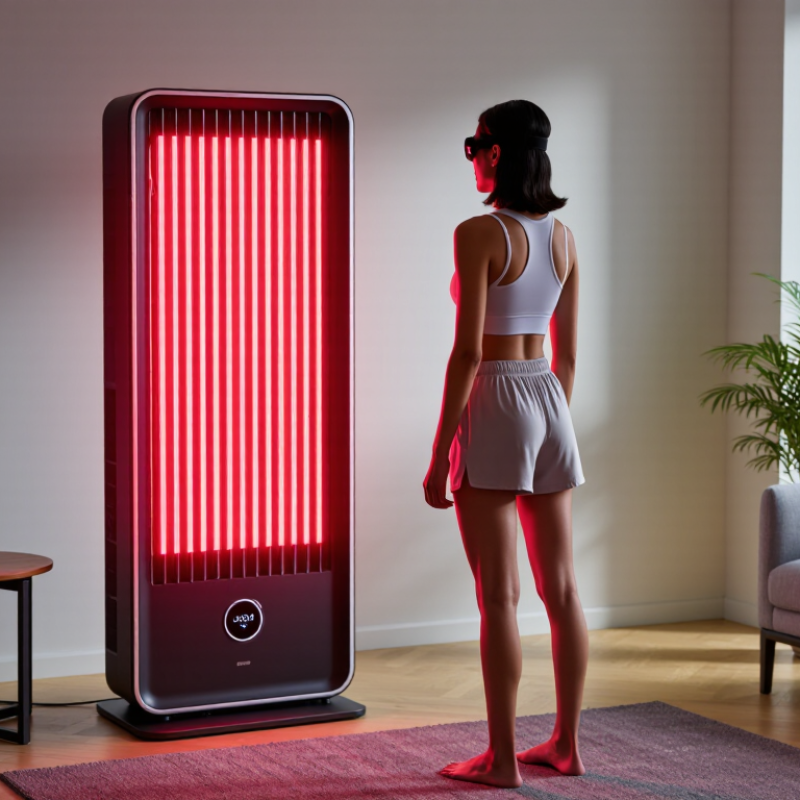
Start with the instructions for your specific Joovv device. Set it on a stable surface, expose the intended area, and use the recommended distance and session time. Keep your eyes protected as directed, especially when treating the face. A phone timer can help prevent accidental extra exposure. Small details matter. If you have a health condition, take photosensitizing medication, or are unsure whether light therapy is appropriate for you, ask a qualified healthcare professional before starting.

Consistency is useful, but more exposure is not automatically better. Track your sessions and note practical details, such as where the panel stood and how your skin felt afterward. Even a sensible routine can feel awkward at first; the schedule may need adjusting to fit real life. That is worth acknowledging. Joovv Red Light therapy should complement—not replace—medical care, and individual experiences can vary. A careful start, realistic expectations, and attention to the manufacturer’s guidance make the process easier to assess.
How to Use Joovv Red Light Therapy?

Understand How Joovv Red Light Therapy Works

Understand How Joovv Red Light Therapy Works

Red and near-infrared light deliver energy to tissue without relying on heat as the main effect. An AIMS Biophysics review by Hamblin (2018) describes commonly studied wavelengths around 600–1,100 nanometers. Researchers propose that light-sensitive molecules in cells, including cytochrome c oxidase, respond to these photons. This may influence cellular signaling and energy production. The precise pathways are still being studied.

A panel’s output, distance, and exposure time affect the dose reaching your skin. A treatment that feels gentle can still vary considerably between devices. Research reviews describe photobiomodulation as dose-sensitive: more exposure does not automatically mean better results. Too neat, perhaps. Evidence also differs by condition, so laboratory findings should not be treated as proof of a personal benefit. Keep expectations measured, and ask a qualified clinician if you have an eye condition, a photosensitive disorder, or take photosensitizing medication.

Tips: Follow the device instructions, including eye protection and distance. Start with the recommended session length; don’t stare into the LEDs. Note your settings and skin response, since memory is a poor measuring tool.

Review Safety Guidance Before Starting a Session

How to Use Red Light Therapy Safely

Before a session, read the device instructions and check its recommended distance and exposure time. Red and near-infrared devices can differ in wavelength and output, so another person’s routine may not suit yours. The ICNIRP’s 2013 guidelines cover optical radiation from 180 nanometres to 1 millimetre, with exposure limits that depend on wavelength and duration. That range includes visible red light and infrared radiation; it is not a guarantee that any particular device is safe. Keep the panel away from water, and do not look directly into its light.

Tips: Wear eye protection if the instructions require it. Start with the shortest recommended session, keep a timer nearby, and stop if you feel burning, unusual discomfort, or a headache. Check with a healthcare professional before use if you have an eye condition or take medication that can increase light sensitivity. A mild warmth may seem harmless, but it is not a reason to extend the session.

Use the panel on clean, dry skin, following the manufacturer’s stated distance and schedule. Avoid adding extra sessions to “make up” for missed ones. If redness lasts or worsens, pause and seek medical advice. I find it easy to assume that brighter means better; it does not. ICNIRP’s guidance makes clear that exposure time and wavelength matter, not brightness alone.

Set Up the Joovv Device and Treatment Area

Place the light panel on a firm, level surface, or mount it exactly as the instruction manual describes. Keep it away from sinks, damp floors, loose rugs, and busy walkways. A clear space helps prevent accidental bumps. Check that the power cord reaches an outlet without stretching or crossing where people walk. Leave room around the unit for airflow, and do not cover its vents. If you use a stand, test its stability before switching the panel on. It is tempting to keep adjusting everything; sometimes that becomes needless fuss.

Choose a spot where you can stand or sit comfortably and remain still during the session. Clear nearby furniture, then position the panel at the distance specified in its manual. Distances and session times vary by device, so avoid guessing or copying another person’s routine. Make sure the treatment area is clean and dry, and remove clothing only from the area you intend to expose. Follow the manual’s guidance on eye protection, especially when treating near the face. Start with the recommended settings, use the timer, and note any discomfort. Stop if your skin feels unusually hot or irritated. Small details matter. A quick setup check can make the session easier to repeat safely.

Choose a Session and Position Yourself Correctly

Choose a session that matches your device’s instructions and your reason for using it. Many panels offer timed settings, but longer sessions are not automatically better. Begin with the recommended duration, then note the time, distance, and how your skin feels afterward. Keep a simple log. If your device has different light modes, check its manual rather than guessing from color alone. Red and near-infrared light may have different exposure guidance.

Place the panel on a stable surface, with the treatment area facing it directly. Follow the specified distance. If the instructions are unclear, contact the device maker or a qualified clinician instead of improvising. Wear eye protection when directed, and never stare into bright LEDs.

Keep the room comfortable, and expose only the area you intend to treat. A bare shoulder is easier to keep still than a body twisting toward a panel. Small adjustments matter. Use a similar position each session to make your routine easier to track.

If irritation, headache, or unusual discomfort appears, stop and reassess. It can be tempting to add minutes when progress feels slow, but that is not a reliable measure.

Consistency helps; patience does too. Distance is easy to overlook, so check it again.

Complete the Session and Care for the Device

When the timer ends, switch the panel off and unplug it before cleaning. Let it cool fully. Wipe the surface with a soft, dry microfiber cloth; avoid sprays, solvents, and wet wipes unless the device manual permits them. Check the cable and plug for fraying or unusual heat. Small details matter.

The IEC 62471:2006 photobiological safety standard groups lamps into four risk categories, from RG0 to RG3. Check the device’s stated classification and follow its eye-protection instructions; brightness alone does not tell you whether direct viewing is safe. Keep vents clear, and store the unit somewhere dry, away from direct sun. Don’t wrap it while warm. That part is easy to forget.

After a session, note the duration and any skin response, such as lingering warmth or irritation. If discomfort persists, stop using the device and seek qualified advice. Avoid adding extra minutes to make up for a missed session. More exposure is not automatically better, and evidence for home-use routines can vary by device and treatment goal. The ICNIRP’s guidance on optical radiation likewise emphasizes exposure conditions, including wavelength and duration, rather than brightness alone. Keep the manual nearby; honestly, most of us misplace it.

Go to Top