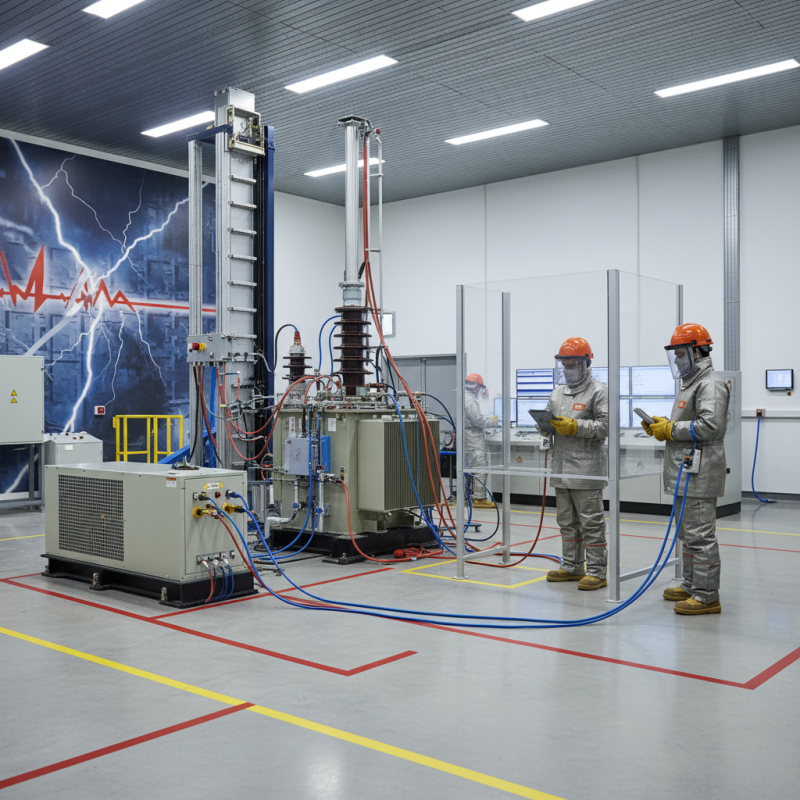
How to Perform a High Voltage Power Frequency Test Safely?
Performing a High Voltage Power Frequency Test is crucial for ensuring electrical equipment's safety and reliability. This procedure verifies insulation integrity and detects potential weaknesses in high voltage systems. However, it comes with inherent risks that must be acknowledged.
Safety should be the top priority when conducting this test. Proper training and personal protective equipment are vital. Clear protocols and well-defined procedures can significantly reduce risks. Still, human error can occur, and all personnel must remain vigilant.
Understanding equipment limitations is essential. Every test carries some uncertainty. Equipment may not react as expected. Continuous monitoring and adjustment during the test can help mitigate unforeseen issues. Reflecting on past experiences can lead to improved safety practices and testing outcomes.
Understanding High Voltage Power Frequency Testing
High voltage power frequency testing is essential in ensuring the reliability of electrical insulation. This test assesses the insulation quality of electrical equipment by applying high voltage at the system's frequency, often 50 or 60 Hz. According to industry reports, nearly 30% of electrical failures are attributed to insulation breakdown. This highlights the importance of regular testing in both new and existing installations.
Understanding the procedure involves assessing the test voltage level, which typically ranges from 1.5 to 3 times the operating voltage. The duration of the test can vary but often lasts for one minute. Safety protocols are critical during this process. The National Fire Protection Association recommends maintaining a safe distance and ensuring that personnel wear appropriate protective gear.
Data shows that improper testing accounts for many incidents. Engineers must be vigilant about grounding and equipment setup. Most accidents occur due to failures in adhering to safety measures and protocols. In a recent survey, 25% of professionals reported witnessing unsafe practices in high voltage testing environments. Each test is a reminder of the potential risks and the need for ongoing training. Experience plays a key role in conducting these tests safely and effectively.
How to Perform a High Voltage Power Frequency Test Safely? - Understanding High Voltage Power Frequency Testing
| Test Parameter | Recommended Value | Measurement Units | Safety Considerations |
| Test Voltage | 1.5 - 2.5 times rated voltage | kV | Ensure proper insulation and monitoring |
| Test Duration | 1 minute | minutes | Use timer to avoid overexposure |
| Frequency | 50/60 Hz | Hz | Ensure equipment is rated for the frequency |
| Grounding | Required | N/A | Verify grounding integrity before test |
| Personal Protective Equipment (PPE) | HELMET, GLOVES, BOOTS | N/A | Wear certified PPE during testing |
| Location | Indoor, dry environment | N/A | Ensure area is clear of personnel |
Safety Precautions Before Conducting the Test
Before conducting a high voltage power frequency test, safety precautions are essential. High voltage testing can pose serious risks, including electrical shock and equipment damage. According to the IEEE Standard 522, strict adherence to safety protocols is crucial in mitigating these hazards. Ensure all personnel involved are well-trained and understand the potential dangers associated with high voltage equipment.
Establish a clear safety zone. This zone should be marked and only accessible to trained personnel. Use appropriate personal protective equipment (PPE), such as insulating gloves and dielectric footwear. Regularly inspect your PPE for wear and tear. A flawed piece of equipment can lead to catastrophic failures.
Tip: Always conduct a thorough risk assessment before the test. Identify potential hazards and create a contingency plan. This preparation helps in preventing accidents.
Firmware and electrical systems should undergo thorough checks prior to the test. Isolate the equipment and ensure it is completely de-energized. Even a slight oversight can lead to dangerous situations. Remember that safety is paramount and reactive measures are often inadequate.
Tip: Encourage a culture of safety among your team. Hold regular training sessions focusing on high voltage procedures. Continuous education can prevent incidents and foster a safer work environment.
Step-by-Step Procedure for the High Voltage Test
Performing a high voltage power frequency test involves careful planning and execution. Start by gathering all necessary safety gear. This includes insulated gloves, dielectric footwear, and safety goggles. Ensure your testing environment is clear of unnecessary personnel. Clear communication with your team is crucial; everyone should know their roles and responsibilities.
Next, prepare the equipment. Check all connections and calibrate the test instrument to ensure accurate measurements. It is essential to ground the equipment properly to prevent accidental shock. During the test, maintain a safe distance and position yourself behind protective barriers. Monitor the test closely for any unexpected conditions. If something feels off, pause the test. Document the procedure thoroughly. This data is vital for future reference and safety evaluations.
After the test, debrief with your team. Discuss what went well and what could improve. Are there any unexpected results? Reflect on the process. Continually update your safety protocols based on these experiences. This ongoing evaluation is key to maintaining a safe testing environment.
Monitoring and Evaluating Test Results Safely
Monitoring and evaluating test results during a high voltage power frequency test require a structured approach. Effective monitoring involves not just collecting data, but also having a keen eye on the equipment’s behavior. Look for unusual fluctuations in voltage and current readings. Recording these values promptly can help identify potential issues early. A sudden spike might indicate a problem, so don’t overlook the details.
Communication among team members is crucial. Use clear markers to indicate safe zones versus hazardous areas. It can help to have a checklist for safety protocols and monitoring procedures. This ensures everyone is on the same page. If discrepancies arise in the results, take a moment to reflect. Rushing through evaluations can lead to missed insights. It's vital to take time to analyze data, even if initial findings seem reliable.
Tips: Use color-coded charts for clear visual representation of data. Graphs can make it easier to identify trends and abnormalities. Involving all team members in the evaluation process can enhance the overall safety culture. Always have a method in place to document findings and thoughts, maintaining a reliable log of the inspection processes. This practice can help fine-tune future tests and promote safety awareness across operations.
Post-Test Safety Measures and Equipment Maintenance
After conducting a high voltage power frequency test, safety measures are crucial. First and foremost, ensure that all equipment is de-energized before any maintenance begins. This helps prevent unexpected electrical shocks or accidents. Wear appropriate personal protective equipment (PPE), such as insulated gloves and face shields, to minimize risks during inspection and repair.
Another important step is to establish a clear protocol for testing and maintaining equipment. Regular checks should be scheduled to identify any signs of wear or damage. Insulation resistance testing can detect issues early. Have a detailed log of all maintenance activities. This assists in tracking the performance of your equipment over time and can aid in troubleshooting when problems arise.
**Tips:**
Always double-check your PPE before starting any maintenance.
Communicate with your team to ensure everyone is aware of the testing status.
Reflect on past experiences. Consider what could improve future procedures.