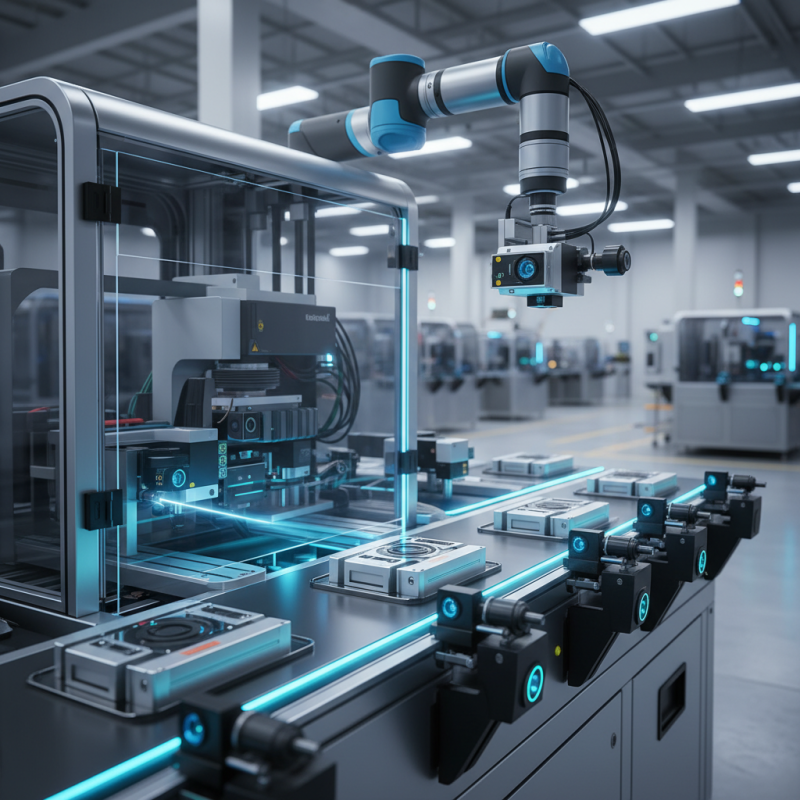
Why Choose a High Speed Inspection Machine for Quality Control?
In today’s fast-paced manufacturing industry, quality control is paramount. A High Speed Inspection Machine stands out as a vital tool for maintaining high standards. These machines swiftly detect defects, ensuring that products meet quality specifications.
Traditional inspection methods often rely on human oversight, leading to errors. In contrast, a High Speed Inspection Machine operates consistently, minimizing the risk of oversight. The technology behind these machines allows for rapid scanning, which is crucial in a competitive market.
However, investing in high-speed technology comes with its own challenges. Initial costs can be high, and employees may require training. It’s essential to weigh these factors against potential efficiency gains. Ultimately, a High Speed Inspection Machine can greatly enhance product quality and production speed, but careful consideration is necessary.
Benefits of High Speed Inspection Machines in Manufacturing Quality Control
High-speed inspection machines are transforming quality control in manufacturing. These machines can operate at speeds exceeding 1,000 parts per minute. This efficiency significantly reduces the time taken for inspections. According to an industry report by McKinsey, automation in quality control can cut inspection times by up to 50%. Faster inspections mean fewer bottlenecks in production lines.
Furthermore, high-speed inspection machines enhance accuracy. They use advanced technologies like machine vision to detect defects that human inspectors might miss. Reports indicate that these systems can detect errors with over 95% accuracy. However, not all machines are perfect. Implementation challenges exist, such as the need for ongoing maintenance and potential downtime. Manufacturers must weigh these factors carefully.
While high-speed machines bring many benefits, reliance on technology can lead to complacency. It’s crucial to combine machine inspections with periodic manual checks. Only then can companies ensure that quality standards are consistently met. Balancing automation with human oversight is key to a robust quality control strategy.
How High Speed Inspection Machines Enhance Efficiency in Production Lines
High speed inspection machines are revolutionizing production lines. They are designed to improve efficiency significantly. According to a recent study by the International Society for Quality in Manufacturing, companies using high speed inspection systems saw a 30% increase in throughput. This increase is crucial in today’s fast-paced market.
These machines can perform quality checks at incredible speeds, often exceeding 1,000 parts per minute. Traditional inspection methods simply cannot match this rate. However, the implementation of these machines is not without challenges. Companies must invest in training and maintenance. Misalignment or incorrect calibration can lead to missed defects.
Data from a 2022 survey revealed that 25% of manufacturers reported issues with integrating high speed systems into their existing frameworks. This reflects the need for a seamless transition to avoid production delays. Yet, the potential gains are too significant to overlook. With proper setup and adjustment, the payoff can be tremendous. High speed inspection machines truly enhance the efficiency of production lines, but they require careful consideration.
Impact of High Speed Inspection Machines on Production Efficiency
This bar chart illustrates the improvement in production efficiency before and after the implementation of high speed inspection machines in a manufacturing setting. The data shows an increase from 75% to 95% efficiency, demonstrating the positive impact of these machines on overall quality control and production processes.
Key Features of High Speed Inspection Machines for Optimal Performance
High-speed inspection machines are essential for modern quality control. They offer rapid analysis, ensuring that products meet established standards. One key feature is their ability to detect defects quickly. Using advanced imaging techniques, these machines identify flaws that might go unnoticed. This speeds up the inspection process without sacrificing accuracy.
Another significant aspect is their adaptability. High-speed inspection machines can be customized for various products. This versatility allows manufacturers to maintain quality across diverse production lines. However, it's crucial to regularly calibrate these systems. Failure to do so might lead to missed defects or false positives. Inspecting and updating the machine software is equally critical.
Performance is also enhanced by real-time data analysis. Manufacturers receive instant feedback, allowing for immediate adjustments. However, reliance on technology can introduce challenges. Operators must be trained thoroughly. Without proper training, mistakes may occur, impacting product quality. It’s a reminder that human oversight remains vital in this fast-paced process.
Comparative Analysis: High Speed vs. Traditional Inspection Methods
In the realm of quality control, inspection methods significantly impact product reliability. High-speed inspection machines stand out in today's fast-paced manufacturing environments. They utilize advanced technology to quickly and accurately detect defects in products. This process minimizes human error and enhances efficiency. Observing production lines, machines can scan thousands of items in mere seconds.
In contrast, traditional inspection methods rely heavily on manual checks. This approach often leads to inconsistencies. Workers can miss defects when fatigued. Moreover, the speed of production often outpaces the capacity of manual inspections. As a result, companies risk releasing flawed products into the market. This can damage reputation and waste resources.
Though high-speed machines offer numerous advantages, they are not without flaws. Calibration errors can occur, leading to false positives or negatives. Companies must invest in regular maintenance to ensure accuracy. Balancing speed with precision is a complex challenge. Continuous monitoring and refinement of processes are key to achieving optimal results.
Case Studies: Successful Implementations of High Speed Inspection Machines
High-speed inspection machines have revolutionized quality control processes in various industries. Consider a food manufacturing plant. They implemented a high-speed inspection system that identified imperfect packaging in real-time. This helped reduce waste significantly. However, they faced challenges in integrating the new technology with existing systems. Initial setup issues caused delays, highlighting the importance of careful planning.
Another example comes from the electronics sector. A company upgraded to a high-speed inspection machine to detect defects in circuit boards. They achieved impressive speed and accuracy, but their team underestimated the learning curve. Operators struggled during the transition phase, leading to some missed defects. Training and adaptation proved crucial for harnessing the machine's full potential.
In both cases, the benefits of high-speed inspection machines were clear. They enhanced efficiency and improved product quality. Yet, the journey was not without obstacles. Companies must remain vigilant and ready to address unforeseen challenges as they adopt these advanced systems. Empathy for employees navigating change can lead to better outcomes.
Why Choose a High Speed Inspection Machine for Quality Control? - Case Studies: Successful Implementations of High Speed Inspection Machines
| Case Study | Industry | Machine Type | Key Benefits | Implementation Results |
| Case Study 1 | Food Packaging | Automatic Vision Inspection | Increased throughput, Reduced waste | 30% faster production with 95% defect detection rate |
| Case Study 2 | Electronics Manufacturing | Inline X-ray Inspection | Improved accuracy, Real-time monitoring | Reduced rework costs by 20% |
| Case Study 3 | Pharmaceuticals | High-Speed Tablet Inspection | Enhanced compliance, Faster audits | Achieved 100% compliance with FDA regulations |
| Case Study 4 | Cosmetics | Automated Color Detection | Consistent product quality, Customer satisfaction | Increased customer satisfaction ratings by 15% |