What Is a Digital Watch and How Does It Work?
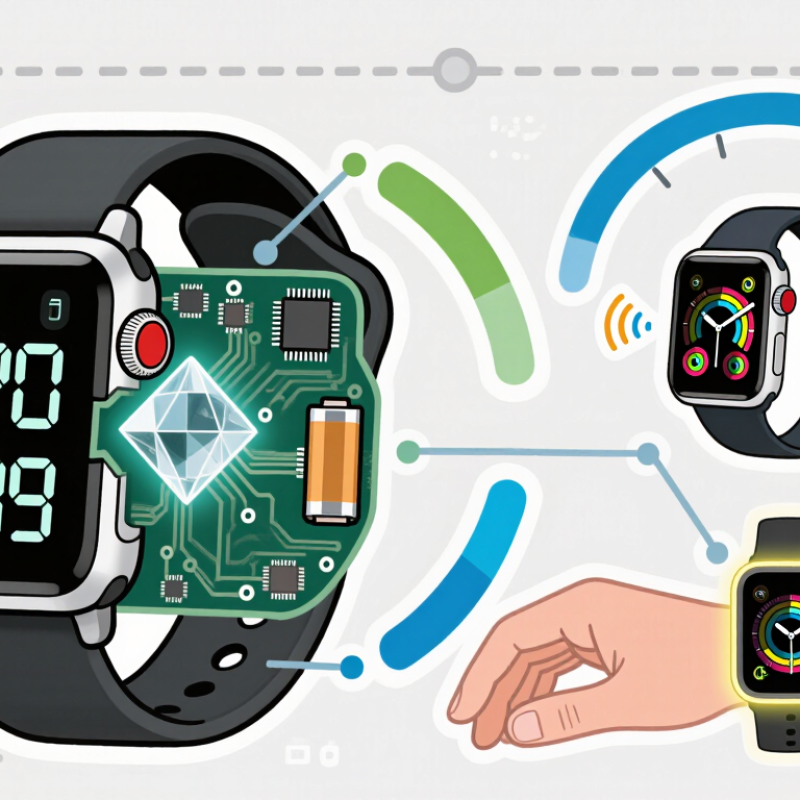
A Digital Watch can look simple: a dark face, bright digits, and one small button. Inside, however, a quartz crystal vibrates at a steady frequency when powered. Electronic circuits count those vibrations and convert them into seconds. The display then shows the time, often through an LCD or LED screen. Small pulse. Clear display. Yet the mechanism is not always identical. A basic quartz model prioritizes timekeeping and battery life; a smartwatch adds software, sensors, and wireless connections.
Industry figures help explain the wider context, but their scope matters. IDC reported 113.1 million worldwide wearable-device shipments in the first quarter of 2024, an 8.8% rise year over year. That category includes more than watches, so the figure should not be mistaken for Digital Watch sales alone. It does show how often people now wear small electronic devices that track, display, or communicate information.
Apple CEO Tim Cook described the Apple Watch as “the most personal device we’ve ever created.” The line captures the close contact between a watch and its wearer, though it does not explain the engineering. This guide looks inside the case: the crystal, timing circuit, battery, display, and, in connected models, the sensors and processor. You will see how a regular digital watch keeps time and how a smartwatch handles more demanding tasks. One limitation is easy to miss: extra features can mean more charging, and convenience does not guarantee perfect readings. A watch is useful, but it is still a device with boundaries.
What Defines a Digital Watch
A digital watch is defined by how it presents time: numbers or electronic characters appear on a display instead of moving hands. On a typical LCD, dark segments form changing numerals against a pale background. The display may show hours and minutes, with seconds, the date, or an alarm beside them. That distinction matters. A watch can offer extra electronic features without being a smart device.
Inside, a small timing circuit measures regular signals from a quartz crystal. The crystal vibrates at a stable rate when powered, and the circuit counts those vibrations to keep time. It then updates the display, often once each second. Pressing a side button may change modes or adjust the time; a faint click and a brief blink are ordinary signs of interaction. Some displays use LEDs, which can look brighter but may consume more power while lit.
The label “digital” describes the display, not perfect accuracy or a specific feature set. A basic model may show only the time, while another adds a stopwatch or timer. The screen can be hard to read at an angle, especially in direct sunlight, and small buttons sometimes make settings awkward. These limitations are easy to overlook. A clear display still depends on a working battery, sound circuitry, and legible segments.
The Main Components Inside a Digital Watch
Inside a digital watch, a quartz crystal, integrated circuit, display, battery, and buttons work as a compact timing system. A common watch crystal vibrates 32,768 times per second. NIST’s time-and-frequency resources describe this frequency in quartz timekeeping: dividing it by two fifteen times produces one pulse per second.
That pulse sets the pace. The integrated circuit counts it, tracks elapsed time, and sends signals to the display. No gears needed.
The display is usually a liquid-crystal screen, whose segments darken when the circuit applies an electric field. Look closely, and the digits are made of separate shapes, not tiny printed numbers. Buttons close electrical contacts, telling the circuit to change modes or adjust the time.
A small cell supplies power; IEC 60086-3:2021 specifies requirements and tests for primary batteries used in watches. The battery’s actual life varies with display use and extra features.
The crystal is steady, not perfect: temperature and shocks can affect its rate. And the circuit explanation is tidy, perhaps too tidy; real watches differ in layout, and a simple model leaves out those design trade-offs.
How a Digital Watch Keeps Time
A digital watch does not watch time pass. It counts steady electrical pulses. Most use a tiny quartz crystal, which vibrates when an electric field is applied. Many watch circuits use a crystal tuned to 32,768 cycles per second. That number is a power of two, so a circuit can divide it repeatedly. After 15 divisions, the signal becomes one pulse per second. Tiny vibrations matter. The circuit counts those pulses, then updates the seconds, minutes, and hours on the display.
The quartz signal is practical, but it is not a perfect time standard. Temperature, aging, and small manufacturing differences can make a watch gain or lose seconds. NIST’s 2019 SI Brochure defines one second using 9,192,631,770 periods of radiation from a cesium atom. That figure belongs to the scientific definition of a second, not to the watch’s quartz crystal. It provides a reference against which timekeeping can be checked. In everyday use, the watch’s circuit keeps counting while the display is dark, then shows the stored time when you glance down. A dropped watch may still tick faithfully, though its accuracy can drift. That part is easy to overlook.
How Time and Information Appear on the Display
A digital watch turns time into changing numbers on a small display. In many models, a quartz crystal vibrates at a steady rate when powered by a battery. The watch’s circuit counts those vibrations and converts them into seconds, minutes, and hours. A common crystal frequency is 32,768 vibrations per second, which can be divided down to one pulse per second. The display updates as the circuit sends signals to selected digits.
Many watches use a liquid-crystal display, or LCD. Tiny segments form numerals when the watch applies an electric field; inactive segments remain faint or nearly invisible. In bright sunlight, the numbers are often easy to read, but dim rooms may require a backlight. Some displays also show the date, weekday, alarm status, or a stopwatch reading. Pressing a button changes the information shown, while a small icon may indicate which mode is active. Small, but useful.
The layout affects how quickly people understand the display. Large, separated digits are easier to scan than crowded symbols, especially during exercise or while carrying something. Yet extra indicators can make a screen feel busy, and gloves or wet fingers may make tiny buttons awkward to use. I have found that checking a watch under different lighting reveals more than inspecting it at a desk. A display may look crisp indoors and lose contrast outdoors. That small limitation is easy to overlook when choosing a watch.
A Digital Watch’s Seconds Display Over 10 Seconds
Illustrative sequence showing the seconds value as a digital watch advances from 00:00:55 to 00:01:04.
A quartz oscillator produces regular electrical pulses. The watch’s timekeeping circuit counts them and updates the display once per second; when seconds reach 59, they roll over to 00 and the minute advances.
Power Sources and Common Digital Watch Features
Most digital watches run on a small battery that powers a quartz timekeeping circuit and display. A basic coin-cell battery can last for months or years, depending on the display and features used. Frequent alarms, bright backlighting, and regular stopwatch use can shorten that span. Some watches use rechargeable batteries, while solar-powered models convert light into stored energy. A desk lamp may help, but sunlight usually charges them more effectively.
The power source affects daily use. A replaceable battery is simple, though changing it may require a careful seal check afterward. Rechargeable models reduce battery swaps, but they still need charging. Small, steady power matters. It is easy to assume a watch is broken when its display fades; often, the battery is simply running low. Still, dim digits can also signal a display or connection problem, so guessing is not always enough.
Common features include alarms, countdown timers, stopwatches, calendars, and illuminated displays. A backlight is handy when checking the time in a dark room, but holding its button can drain power faster. Water resistance is another practical feature, though it does not mean every watch suits swimming or hot showers. Check the stated rating and care instructions. Feature lists can look impressive, yet the most useful watch is often the one whose controls remain clear when your hands are cold or wet.