How to Create an Effective NFC Name Card for Networking?
In the digital age, networking has evolved significantly, and traditional business cards are not enough. Enter the NFC name card, a modern solution to make a lasting impression. With just a tap, an NFC name card can share your contact information, social media links, and more. This innovative tool can enhance your networking strategy and help you stand out.
Creating an effective NFC name card requires careful thought. It's essential to design a card that reflects your personal brand. Choose colors and fonts that resonate with your style. Consider the information you want to share. Too much can overwhelm; too little might miss opportunities. Every detail matters in crafting your card.
Reflect on your experiences and goals. What do you want people to remember about you? Your NFC name card should convey that message. Remember, perfection isn't always achievable. Embrace the process and be open to refining your approach. A well-designed NFC name card can open doors, so invest time and effort into creating one.
Understanding NFC Technology and Its Benefits for Networking
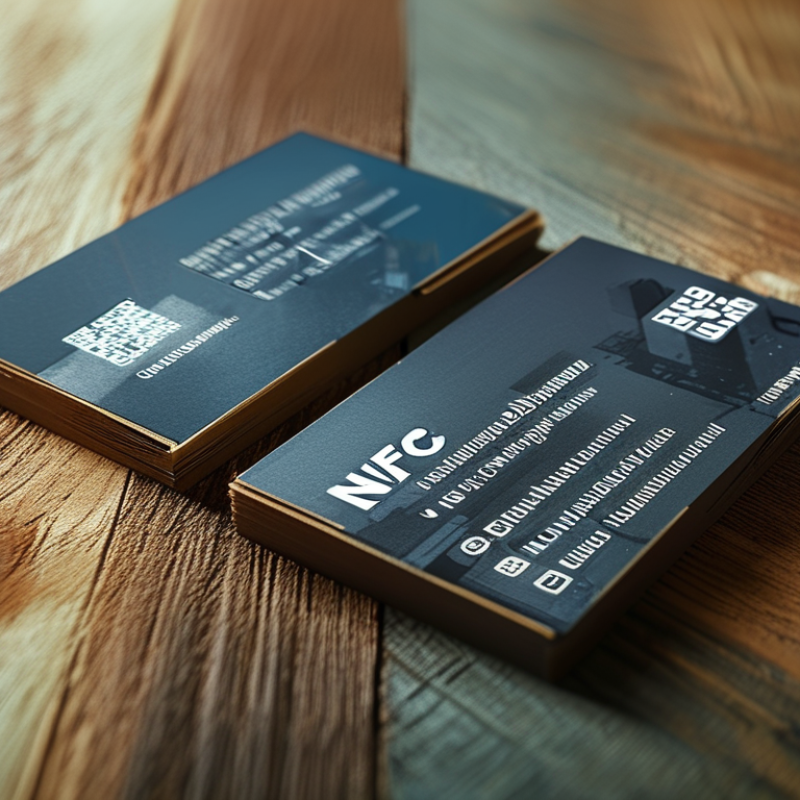
NFC technology is transforming the way we network. It allows two devices to communicate wirelessly when they are in close proximity. This feature is particularly useful for name cards. Instead of traditional paper formats, you can create a digital card that people can tap on their smartphones to receive your contact information instantly.
One significant benefit of using NFC for networking is convenience. Potential connections can save time and eliminate the hassle of entering information manually. It's also eco-friendly, reducing the need for physical materials. However, not everyone is familiar with tapping an NFC card. Some might find it confusing or frustrating if their device doesn’t support it.
NFC technology also emphasizes the importance of design. An effective NFC name card should not only function well but also be visually appealing. A poorly designed card can leave a negative impression, despite its technology. It's important to regularly seek feedback from peers to improve both functionality and aesthetics. This reflection can lead to better networking outcomes in the long run.
Key Elements to Include in Your NFC Name Card Design
An effective NFC name card can make a strong impression in networking. Start with essential contact information. Ensure your name stands out. Include your position and company name clearly. A personal touch can be helpful—add a professional photo. This creates a connection beyond text.
Next, consider the design elements. Choose colors and fonts that reflect your brand. Keep the layout clean. White space is crucial; it helps information breathe. Include your LinkedIn or social media handles if relevant. This invites people to connect online too.
Don’t forget functionality. Test the NFC feature to ensure it works seamlessly. Sometimes, technology fails. If it does, have a backup plan—traditional business cards can be useful. You want connections, not missed opportunities. Reflect on your design regularly, adapting it as your career progresses. Evolution is key in networking.
NFC Name Card Usage by Professional Fields
Choosing the Right NFC Tag for Maximum Compatibility
Choosing the right NFC tag is crucial for creating an effective name card. Not all NFC tags work the same. They vary in compatibility with different devices. Knowing which tag suits your target audience matters. For instance, many smartphones support NFC technology, but older models may not. Ensuring your NFC tag is compatible with the majority of devices enhances networking opportunities.
When selecting an NFC tag, consider the storage capacity. Different tags hold varying amounts of information. A tag with limited space may not allow for detailed contact details or links. This limitation can lead to missed connections. It's essential to strike a balance between information and accessibility. Reflect on how much data you truly need. Sometimes, less is more.
Additionally, the tag's form factor is important. NFC tags come in different shapes and sizes. A card-shaped tag is standard, but others can be more creative. Consider how the design will resonate with your brand. A unique design can make a memorable impression. However, ensure it doesn’t sacrifice functionality. Think about potential users and their preferences. Balancing aesthetics and practicality is key.
Crafting an Engaging Digital Profile for Networking Success
In today’s fast-paced networking environment, crafting an engaging digital profile is essential. The rise of digital business cards, including NFC-enabled ones, shows a significant shift in how professionals connect. A recent study by Statista indicated that over 60% of professionals prefer digital networking tools for their convenience and efficiency. Using NFC technology, you can share vital information instantly. However, without a well-structured profile, this technology might not yield the desired impact.
Your digital profile should reflect your professional identity. It's crucial to highlight your skills and achievements concisely. According to LinkedIn, profiles that include a professional photo are 14 times more likely to be viewed. Yet, many users overlook this aspect. A profile lacking clarity can confuse potential connections. Consider using straightforward language and bullet points to improve readability. Avoid jargon that may alienate your audience.
Interactive elements, like links to your portfolio or social media, can enhance engagement. However, be cautious about overload. Too much information can overwhelm your audience. Focus on quality over quantity. The right balance will attract meaningful connections. In a world where first impressions matter, refining your digital profile is not merely beneficial—it’s essential for successful networking.
Best Practices for Sharing Your NFC Name Card in Real-World Scenarios
Creating an effective NFC name card involves careful consideration of both design and functionality. Think about what information is essential to share. Keep it concise. A well-organized card includes your name, title, and contact details. Using a professional design will enhance credibility. A cluttered card can confuse potential connections. Simplicity often leads to better engagement.
When sharing your NFC card, the setting matters. Approach others with confidence but with a friendly demeanor. Test your card in various scenarios, like networking events or casual meet-ups. Observe how people respond to it. If they're distracted or uninterested, reflect on your card's appeal. Consider its visibility and ease of use. Practice makes perfect, so be open to tweaking the content or layout.
Remember, the technology can sometimes fail. Have a backup plan, like a printed card, ready. This backup might feel less modern, but it ensures you never miss a connection opportunity. Embrace mistakes in this process. It's part of learning what works best for you and your audience. Adaptability is key. Keep refining your approach.
How to Create an Effective NFC Name Card for Networking?
| Aspect | Description |
| Design | Use a clean and professional layout with your brand colors. |
| Information to Include | Name, job title, contact information, and social media links. |
| NFC Tag Configuration | Ensure the NFC tag is programmed correctly to share your vCard or website. |
| Testing | Test the NFC card to confirm functionality on different devices. |
| Durability | Use high-quality materials that can withstand everyday use. |
| Usage Scenarios | Best used at networking events, trade shows, and meetings. |
| Follow-up | Send a follow-up email or message to contacts after the event. |