
Best Trail Motorcycles 2026 for Every Rider

Choosing a Trail Motorcycle in 2026 means matching the machine to the ground, not chasing the biggest engine or newest screen. A rutted forest track, loose gravel, and a rocky climb place very different demands on tires, suspension, gearing, and rider confidence. Small details matter. A manageable seat height can make a slippery stop less stressful, while extra weight becomes obvious when lifting a bike from a muddy rut.

The Motorcycle Industry Council’s 2023 Statistical Annual Report tracks off-highway motorcycles as a distinct market segment, helping separate trail bikes from street-focused models. That distinction is useful, but sales categories cannot tell you how a motorcycle feels at low speed or whether its suspension suits your local trails. For practical comparisons, manufacturer specifications should be considered alongside a supervised test ride and advice from experienced riders or qualified dealers. Check weight, seat height, ground clearance, service intervals, and parts availability—not just advertised power.

This guide compares 2026 trail motorcycles for new riders, weekend explorers, and experienced off-road riders. It considers real-world usability, including how easily a bike turns through tight trees and how confidently it crawls over uneven ground. No single model suits everyone. And honestly, published specifications can only tell part of the story; rider height, terrain, and skill change the answer. Some rankings may feel imperfect. That is worth remembering before you buy.
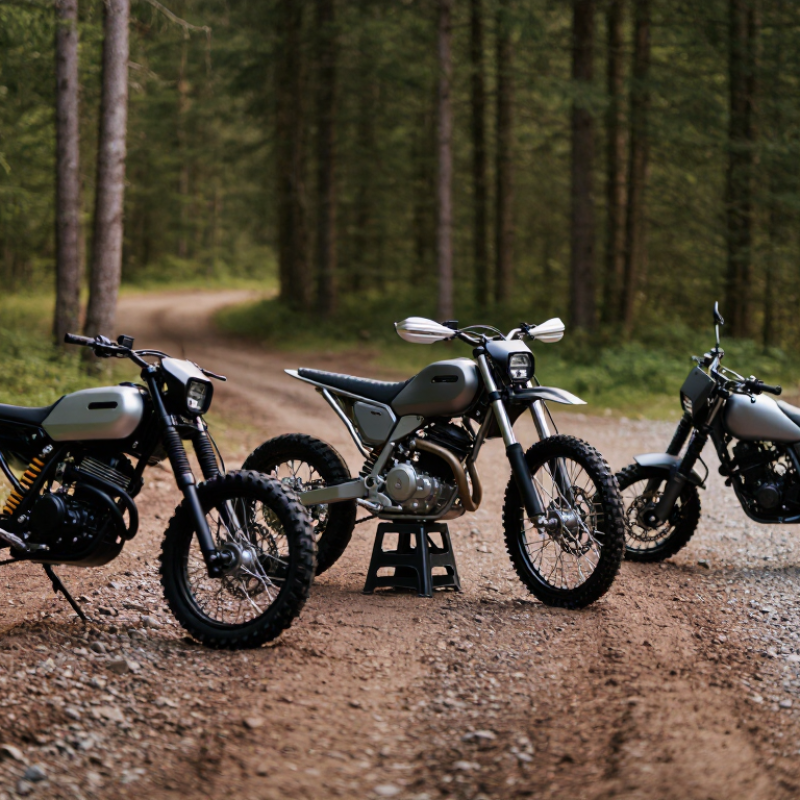
Best Trail Motorcycles 2026 for Every Rider

What Defines a Trail Motorcycle in 2026

What Defines a Trail Motorcycle in 2026

A trail motorcycle is built for changing surfaces, not just a smooth road or a motocross track. Its character comes from manageable power, predictable throttle response, and suspension that can absorb roots without feeling vague. On a narrow path, a steady engine at low speed matters more than dramatic peak horsepower. So does a seat and handlebar position that let the rider shift weight naturally. Muddy boots, loose gravel, and a sudden washout reveal more than a specification sheet.

Weight is a practical measure, but balance matters too. A bike that feels light while moving may still be tiring to pick up on a hillside. Look for usable ground clearance, durable hand and underside protection, and tires suited to the terrain you actually ride. Suspension travel should offer control over repeated bumps, not simply a tall stance. Some modern rider aids can help manage traction, though they cannot replace careful technique. They are not magic.

Fit is personal. A shorter rider may prefer a lower seat, while a taller rider may need room to move when standing. Test the controls with gloves on, and notice whether the bike feels calm at walking speed. Specifications can mislead; real comfort often takes a few minutes to judge. And a compromise remains a compromise. A versatile trail motorcycle should feel approachable on a rough climb and composed during the ride home.

Key Features That Shape Trail Riding Performance

A capable trail motorcycle should feel composed when the ground changes from hard-packed dirt to loose stones. Ground clearance helps protect the underside over roots and shallow ruts, while suspension needs enough travel to absorb sharp bumps without feeling vague. Numbers alone do not tell the whole story. A firm setting may feel reassuring on smooth trails but tiring on a rocky climb.

Fit matters. A rider should be able to reach the controls comfortably and shift weight without fighting a tall, wide seat. Tires with a suitable tread pattern improve grip, but pressure and terrain matter just as much. Smooth, predictable engine response can make slow turns easier, especially when traction is limited. Brakes should offer clear control on steep descents, not just strong stopping power.

Weight becomes obvious when lifting the motorcycle after a stall or steering through tight trees. Dust changes everything. Air filtration, cooling, and simple maintenance access deserve attention, even if they seem less exciting than suspension travel. A short test ride can reveal awkward control placement or a harsh seat that specifications miss. I would still avoid treating any single feature as decisive; comfort and confidence vary by rider, and they can change after a long day on the trail.

Trail Motorcycle Types for Different Rider Needs

Trail motorcycles serve different riders, even when they share the same dirt road. The right type depends on terrain, riding pace, and how much weight you can manage after a stall. Small details matter. A low seat can make rocky stops less stressful, while manageable power helps on loose climbs.

Lightweight trail bikes suit beginners and riders who spend most of the day on narrow, uneven paths. Their lower weight makes tight turns and lifting the bike less demanding. Enduro-style motorcycles fit experienced riders who want sharper handling and longer suspension travel over roots, ruts, and rough hills. They can feel tall and tiring at slow speeds, though. A dual-sport is a practical choice when trails connect through paved roads; check its tires and gearing for your usual terrain. Larger adventure-style motorcycles offer comfort and carrying capacity for long trips, but their extra mass can become a burden in mud or deep sand.

Match the motorcycle to a real ride, not an imagined one. Measure your inseam, sit on the bike in riding boots, and check whether you can steady it on uneven ground. Also consider fuel range, maintenance access, and the weight of luggage. A powerful machine may look reassuring, but control matters more on a slippery climb. Riders often overlook this. I would give fit and confidence more weight than headline specifications, though that choice may change with experience.

Top Trail Motorcycles of 2026 Compared

The top trail motorcycles of 2026 are best compared by terrain, weight, and rider experience—not by a single winner. Lightweight four-strokes feel easier to steer through tight woods and over exposed roots. Their lower mass helps when a bike tips onto a muddy slope. They may feel less settled on long, fast gravel roads.

Midweight trail bikes offer a useful compromise. They have enough suspension travel and power for rocky climbs, yet remain manageable on narrow paths. Check seat height and throttle response in person; a tall seat can make slow turns awkward. Small details matter. A smooth clutch can help more than extra peak power when crossing slick logs.

Larger trail motorcycles suit riders who cover long distances between rough sections. Their wind protection and relaxed cruising can reduce fatigue, but added weight becomes noticeable in sand or steep switchbacks. Electric options may appeal where charging access and quiet operation fit the route, though range depends heavily on terrain and pace. Compare tested weights, service intervals, suspension adjustability, and real-world fuel or battery range. Manufacturer figures rarely show how a loaded bike behaves on a wet, rutted climb. One caveat: rider skill changes the comparison, and my ideal choice would not suit every trail.

Best Trail Motorcycles 2026: Engine Classes Compared

A quick guide to representative engine-displacement classes for different trail-riding needs. These are class reference points, not specifications for individual motorcycles.

Smaller-displacement bikes are often easier to manage for newer riders and tighter trails, while larger engines can offer more power for experienced riders and broader terrain. Rider fit, weight, gearing, and intended use also matter.

How to Choose the Right Trail Motorcycle for You

Choosing the right trail motorcycle starts with the trails you actually ride, not the biggest engine on a spec sheet. A narrow seat and low weight can matter more than peak power on rocky, slow routes. For open, faster paths, stable handling and suspension suited to repeated bumps may feel more useful. Think about your typical ride, including how often you encounter mud, roots, or steep climbs.

Fit matters. While standing, you should be able to move easily around the motorcycle, and the controls should feel natural in your hands. Check seat height, overall weight, and how manageable the machine feels when stopped on uneven ground. A short test ride can reveal awkward balance that specifications cannot. Very useful.

Match the motorcycle’s power and suspension to your current skill, while leaving room to improve. A forgiving throttle and predictable response can reduce fatigue during long days. Ask a qualified mechanic about service intervals, parts availability, and routine costs before buying. Also inspect protective equipment requirements and plan for basic maintenance, such as cleaning the air filter after dusty rides. This choice is less tidy than a checklist suggests; a model that seems perfect in a showroom may feel tiring after an hour on your local terrain.

Best Trail Motorcycles 2026 for Every Rider - How to Choose the Right Trail Motorcycle for You

Trail motorcycle categories at a glance. Specifications are approximate category-level ranges, not claims about a specific model.
Rider or Use Trail Bike Category Typical Engine Size Approx. Ready-to-Ride Weight Typical Seat Height Best Suited For What to Consider
New or smaller-statured adult Compact four-stroke trail bike 125–230 cc About 100–125 kg (220–276 lb) About 780–900 mm (31–35 in) Learning basic controls, low-speed practice, and mild trails A manageable seat height and predictable power can make starts, stops, and tight turns less intimidating. Check that the bike is designed for the rider’s intended terrain.
Beginner seeking room to develop Lightweight recreational four-stroke 200–250 cc About 105–130 kg (231–287 lb) About 850–930 mm (33–37 in) Forest paths, beginner single-track, and general trail riding Look for smooth throttle response, a forgiving clutch, and suspension suited to your weight. A larger engine is not automatically easier to ride.
Intermediate trail rider Light enduro or trail four-stroke 250–350 cc About 110–140 kg (243–309 lb) About 900–970 mm (35–38 in) Longer rides, varied terrain, and more challenging single-track Balance suspension capability and ground clearance against weight and seat height. Compare maintenance schedules and intended competition use.
Experienced rider who prefers two-stroke power Lightweight two-stroke enduro 125–300 cc About 95–125 kg (209–276 lb) About 900–970 mm (35–38 in) Technical trails where low mass and responsive power delivery are useful Power delivery differs from a four-stroke, and some two-stroke designs require premixed fuel. Confirm the specific bike’s fueling and maintenance requirements.
Advanced rider on fast or open trails High-performance enduro four-stroke 350–450 cc About 115–145 kg (254–320 lb) About 930–980 mm (37–39 in) Experienced riders tackling faster terrain and demanding routes Strong power and tall suspension can be demanding in slow, technical sections. Choose based on skill, terrain, and ability to manage the bike confidently.
Rider needing road connections as well as trails Dual-sport motorcycle 250–650 cc About 130–190 kg (287–419 lb) About 850–960 mm (33–38 in) Road-legal travel between trail areas and mixed-surface journeys Road equipment adds weight. Check local registration requirements, tire suitability, fuel range, and whether the route is mostly pavement or off-road.
Rider prioritizing low seat height and easy handling Lower-seat recreational trail bike 125–250 cc About 100–130 kg (220–287 lb) About 760–880 mm (30–35 in) Casual trail riding and riders who value a more approachable reach to the ground Lower seat height may come with less suspension travel or ground clearance. Sit on the bike and check comfort, reach, and control while wearing riding gear.

How to choose: Match the bike to your experience, inseam, terrain, and riding frequency. Weight and seat-height figures vary by model, equipment, fuel load, and measurement method; consult the manufacturer’s specifications and try the bike in person before buying.

Go to Top