
Top 10 Best Steering Wheel Lock Bars for Cars
A Steering Wheel Lock Bar adds a visible obstacle between a parked car and someone attempting to move its steering wheel. It is usually quick to fit, though a tight fit can take practice. The bar’s length, locking mechanism, materials, and contact points all affect how it works in everyday use. A bulky design may feel reassuring but become inconvenient to store. Small details matter.
This guide compares ten steering wheel lock bars for cars, focusing on practical features such as adjustability, ease of handling, visibility, and compatibility with different steering wheels. It also considers whether a product description clearly explains fit and care. No lock can guarantee that a vehicle will remain untouched, and a bar should not replace sensible parking habits or other suitable security measures. That distinction is easy to overlook.
The best choice depends on your car and routine. Check the manufacturer’s fit guidance, measure where needed, and make sure the bar does not interfere with driving controls when removed. A bright finish can make the device easier to spot, but appearance alone proves little about durability. Some bars may also be awkward to install in cramped cabins. There is no perfect option; the aim is to find a practical layer of deterrence that you will actually use.
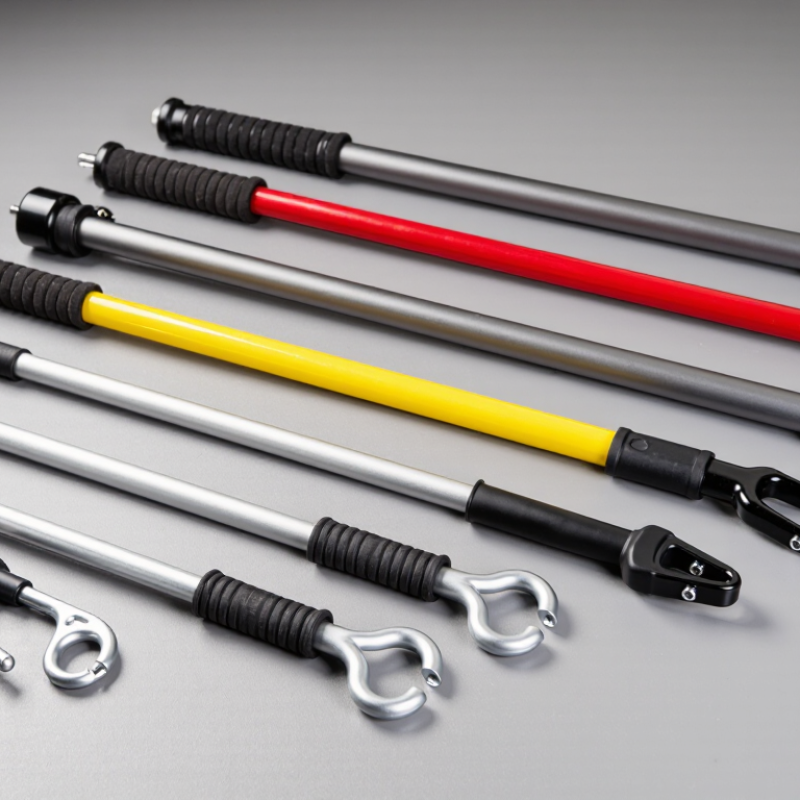
What a Steering Wheel Lock Bar Is and How It Works
Top 10 Best Steering Wheel Lock Bars for Cars
What a Steering Wheel Lock Bar Is and How It Works
A steering wheel lock bar is a removable metal device that makes the wheel harder to turn. Most designs stretch across the wheel and secure in place with a keyed locking mechanism. When fitted correctly, the bar may also rest against the dashboard or another interior surface, limiting how far the wheel can rotate.
The visible bar can discourage opportunistic theft, but it is not a guarantee. No device is perfect. Its effectiveness depends on solid construction, a secure fit, and correct use. A bar that is too short, too loose, or poorly positioned may offer less resistance than intended. Check the product’s measurements against your steering wheel before buying, and follow its installation instructions.
To use one, park the car, position the bar across the wheel, and lock it according to the device’s directions. Give it a gentle tug to check that it is secure. Keep the key somewhere accessible but separate from the vehicle. It is easy to rush this step, especially in the rain, so a quick fit check helps. A steering wheel bar works best as one layer of vehicle security, alongside sensible parking and keeping valuables out of sight.
Top 10 Best Steering Wheel Lock Bars for Cars - What a Steering Wheel Lock Bar Is and How It Works
A steering wheel lock bar is a removable anti-theft device that clamps to the steering wheel and makes it harder to turn. It is a visible deterrent, not a guarantee against theft. The comparison below covers common lock-bar designs; fit, dimensions, and operation vary by vehicle and model.
| Rank | Lock Bar Design | How It Works | Typical Fit | Key Advantages | Things to Check |
|---|---|---|---|---|---|
| 1 | Full-span telescoping bar | Extends across the steering wheel and locks in place, obstructing wheel rotation. | Many conventional steering wheels, subject to the bar’s adjustment range. | Highly visible; adjustable length makes it practical for a range of wheel sizes. | Measure the wheel and check that the hooks cannot slip over the rim. |
| 2 | Steering-wheel-to-pedal bar | Connects the steering wheel to a brake or clutch pedal, limiting steering movement and pedal use. | Vehicles with an accessible pedal and a suitable steering-wheel position. | Creates a physical link between two controls and is easy to see from outside. | Confirm the bar reaches the intended pedal without pressing or damaging it. |
| 3 | Compact fixed-length bar | Hooks onto the steering-wheel rim; its fixed span blocks substantial wheel movement. | Wheel sizes that match the bar’s fixed length and hook spacing. | Simple to install and has fewer adjustment parts. | Less adaptable than telescoping designs; verify fit before purchase. |
| 4 | Dual-hook telescoping bar | Uses hooks at both ends to grip separated sections of the steering-wheel rim. | Wheels with rim shapes and spacing compatible with both hooks. | Offers a clear visual deterrent and can be adjusted for different wheel diameters. | Check that both hooks seat securely and do not interfere with steering-wheel controls. |
| 5 | Enclosed-handlebar lock | Clamps around part of the wheel and places a rigid crossbar across the driver’s hand position. | Steering wheels with enough clearance for the locking body and crossbar. | Its prominent crossbar makes the device readily noticeable. | Check clearance from the dashboard, instrument cluster, and steering-wheel buttons. |
| 6 | Heavy-duty steel bar | Uses a rigid steel body to obstruct steering-wheel rotation when secured to the rim. | Fit depends on the bar’s length, hook design, and wheel shape. | Rigid construction can resist bending better than lightweight designs. | Greater weight can make storage and daily installation less convenient. |
| 7 | Compact quick-fit bar | Locks across a section of the steering wheel with a short, easy-to-handle bar. | Best suited to wheels that fit its limited adjustment range. | Typically convenient to store and quick to attach. | Shorter reach may restrict compatibility; inspect how securely it grips the rim. |
| 8 | Key-operated bar | A mechanical key cylinder releases the bar after it has been locked onto the steering wheel. | Fit is determined by the bar’s physical dimensions rather than the key system. | Does not rely on batteries or electronic pairing. | Keep a spare key in a secure place and protect the keyway from dirt and moisture. |
| 9 | Combination-lock bar | A number-wheel combination mechanism secures and releases the steering-wheel clamp. | Compatible wheels must still fall within the bar’s adjustment range. | No separate key is needed for normal unlocking. | Choose a combination that is easy to remember but not obvious, and check the mechanism regularly. |
| 10 | Soft-contact, rim-protecting bar | Uses padded contact points where the bar meets the steering-wheel rim while blocking rotation. | Suitable only when the clamp shape matches the wheel’s rim and trim. | Padded contact points can help reduce scuffs during installation and removal. | Padding does not replace a secure fit; make sure it is intact and the bar cannot slide off. |