What are the Best Power Battery Options for Global Buyers
The global power battery market is experiencing rapid growth, driven by advancing technology and increasing demand for sustainable energy solutions. According to a report by MarketsandMarkets, the power battery market is projected to reach USD 100 billion by 2025. This sharp rise highlights the vital importance of understanding the best options available for global buyers.
Industry expert Dr. Emily Chen, a leading figure in battery research, notes, “Selecting the right power battery can significantly impact efficiency and sustainability.” Her statement resonates with buyers seeking reliable solutions in a crowded market.
As the landscape continually evolves, many buyers face challenges identifying the best fit for their needs. Not all power batteries are suited for every application. Furthermore, the discrepancies in performance ratings raise questions about reliability. Buyers must remain aware of evolving technologies while also managing expectations and potential limitations in performance.
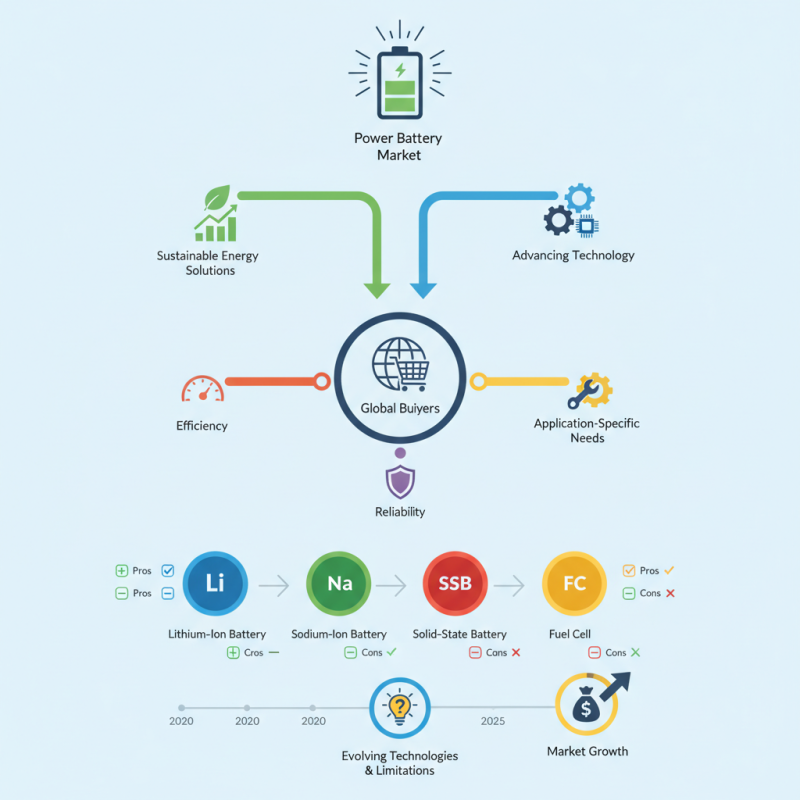
Types of Power Batteries Available on the Market Today
Power batteries come in various types, each serving specific needs in today's market.
Lithium-ion batteries remain the most popular choice,
making up approximately 70% of the global battery market by capacity.
Their high energy density and efficient cycles appeal to consumers and industries alike.
However, they can present challenges, such as thermal runaway and environmental concerns related to mining practices.
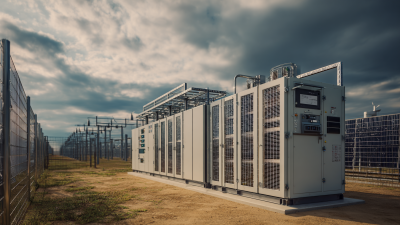
Lead-acid batteries are another common type, widely used in applications from automotive to renewable energy storage.
They hold about 20% of the market share.
Their low cost makes them appealing, yet their lifespan is generally shorter.
Comparatively, nickel-metal hydride batteries find niche applications, especially in hybrid vehicles.
Their energy density does not match that of lithium-ion, but they are safer and more environmentally friendly.
An emerging choice is solid-state batteries,
which promise higher energy densities and greater safety. According to industry reports, this technology could revolutionize the market by 2025.
However, production challenges and high costs currently limit their widespread adoption.
As global buyers navigate these options, understanding each type's strengths and weaknesses is crucial in making informed decisions.
Key Factors to Consider When Choosing a Power Battery
When selecting a power battery, several key factors come into play. The battery type is crucial. Options include lithium-ion, lead-acid, and nickel-metal hydride. Each type has its strengths and weaknesses. For instance, lithium-ion batteries are lightweight and energy-dense but can be costly. Lead-acid batteries are affordable and reliable but heavier and shorter-lived. Understanding these differences is essential for making an informed choice.
Another important consideration is the application. Will the battery power a home, an EV, or industrial equipment? Each use case demands different specifications. Capacity, measured in amp-hours (Ah), is one vital metric. A higher capacity means longer usage time. Additionally, discharge rates matter significantly. Some applications require quick bursts of energy, while others demand steady, prolonged output.
Temperature tolerance is also critical. Batteries perform differently in various climate conditions. Some batteries may degrade faster in high temperatures. Understanding the environmental conditions helps in choosing the right model. Reflecting on these aspects ensures a more reliable and suitable battery choice for your specific needs.
Best Power Battery Options for Global Buyers
This chart illustrates the average energy density of various types of power batteries. Key factors to consider when choosing a power battery include energy density, lifespan, cost, and environmental impact.
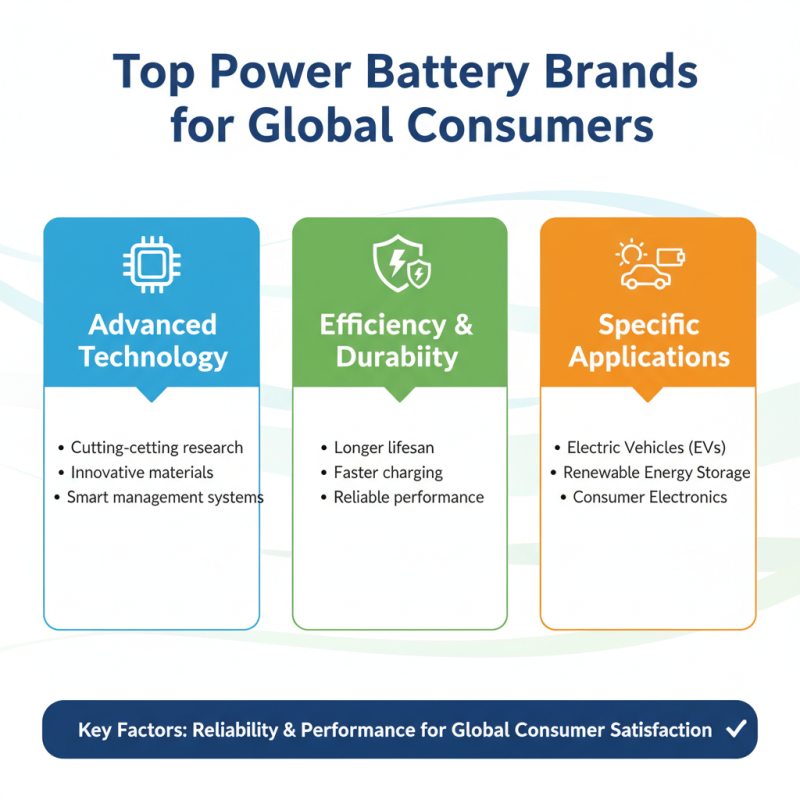
Top Power Battery Brands for Global Consumers
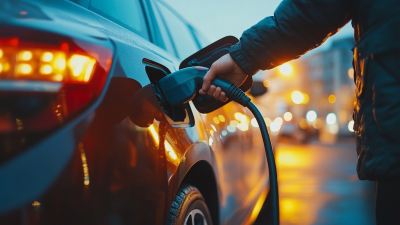
When considering power battery options, global consumers have various brands to choose from. The best brands often offer advanced technology, efficiency, and durability. Look for batteries designed for specific uses, such as electric vehicles or renewable energy storage. These focus on reliability and performance, critical for consumer satisfaction.
For effective selection, consider factors like lifespan and energy density. Higher energy density means better performance for your device. Check for warranties and customer reviews. These can reveal the reliability of the product.
**Tips:** Research product specifications carefully. Compare prices across reliable retailers. Stay up-to-date with innovations in battery technology. This sector evolves rapidly, and new solutions are constantly emerging. Don't ignore environmental impact: sustainable options are becoming increasingly vital for conscious consumers.
Comparison of Performance and Longevity of Different Battery Options
When considering battery options for various applications, performance and longevity are crucial factors.
Lithium-ion batteries often come to mind for their high energy density and efficiency. They deliver excellent power output, but they can be sensitive to temperature changes. This sensitivity may impact their lifespan, leading to concerns for long-term use.
Lead-acid batteries, an older technology, have distinct advantages. They tend to be more robust and can withstand varying conditions. However, they generally have a lower energy density compared to modern options. Users may need to weigh the trade-offs between performance and life cycle.
On the other hand, solid-state batteries show promise for the future. They offer greater safety and potentially longer life, yet they are still in development.
Comparing these options reveals important insights. Each battery type serves different needs and varies in reliability. Understanding these characteristics can lead to informed choices that fit specific requirements. It's crucial to analyze these factors rather than relying solely on brand reputation or initial cost.
Future Trends in Power Battery Technology and Global Market Demand
The demand for power battery technology is rapidly evolving. Consumers today seek batteries that are more efficient, sustainable, and cost-effective. Trends indicate a significant shift toward solid-state batteries and advanced lithium-ion technologies. These innovations promise higher energy densities and quicker charging times. Many manufacturers are investing heavily in research to enhance battery performance. However, achieving widespread commercialization remains a challenge.
The global market is ratcheting up its expectations. There is a clear push for batteries that minimize environmental impact. Recycling technologies and sourcing ethical materials are gaining traction. Moreover, the integration of artificial intelligence into battery management systems is on the rise. This allows for smarter energy use and extends battery life. Yet, the industry must also address safety concerns that arise with new technologies. Balancing innovation and safety is a critical consideration for future developments.
Regulatory standards are also influencing market demand. Stricter environmental regulations mean that compliance is key for producers. As nations push for greener solutions, companies will need to adapt. This presents both an opportunity and a challenge. The transition to new technologies is not seamless. Existing infrastructures will require upgrades and adjustments. The future of power battery technology looks promising but remains complicated.