What Are the Best Electrical Breakers for Global Buyers?
When selecting Electrical Breakers, global buyers face a complex landscape. The global electrical breakers market was valued at approximately $11.56 billion in 2021. Reports indicate a compound annual growth rate (CAGR) of around 5.3% from 2022 to 2030. This growth is mainly driven by advancements in technology and increasing demand for safety in electrical systems.
The variety of electrical breakers available can be overwhelming. Factors like voltage rating, breaking capacity, and application type significantly influence choices. Research shows that circuit breakers can prevent extensive equipment damage and enhance safety in residential and commercial buildings. However, not all buyers are fully aware of the specifications needed for their unique circumstances.
In this diverse market, one must consider product quality and reliability. Many manufacturers claim high standards, yet some products fail to meet expectations. Consumers are left questioning which brands they can trust. Understanding the nuances of electrical breakers is critical for making informed decisions.
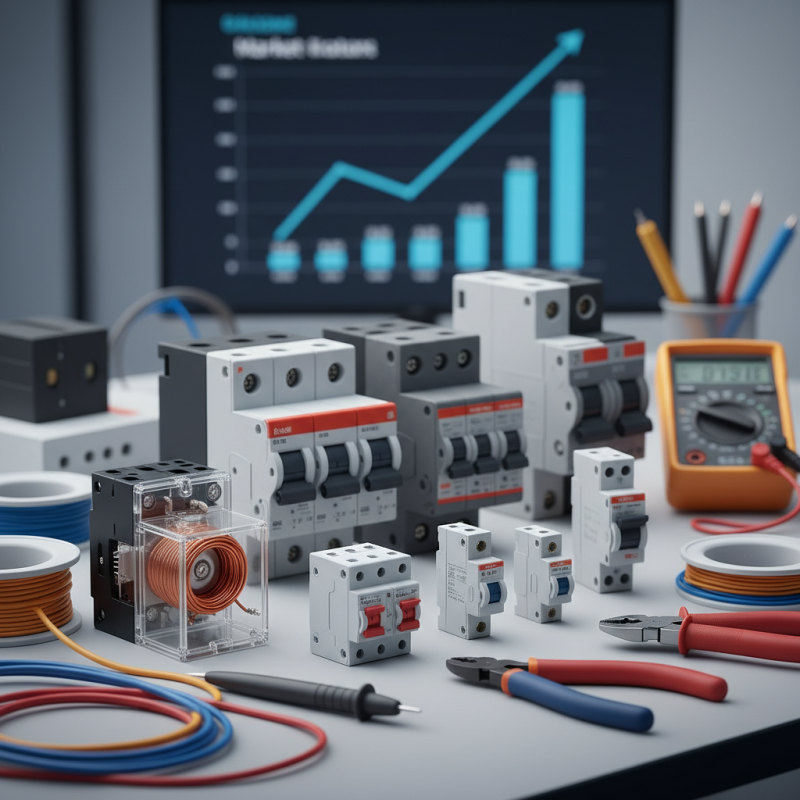
Understanding Electrical Breakers: Types and Applications for Global Buyers
Electrical breakers play a vital role in ensuring safety in various applications. These devices protect circuits from overloads and faults. Understanding the types of electrical breakers is essential for making informed choices.
There are several types of electrical breakers. Miniature Circuit Breakers (MCBs) are common in residential settings. They trip when detecting abnormal current flows. Residual Current Circuit Breakers (RCCBs) safeguard against electrical shocks. They operate by sensing imbalances in current. Often, both MCBs and RCCBs are used together for maximum protection.
In industrial settings, Molded Case Circuit Breakers (MCCBs) handle larger loads. They provide overcurrent protection in heavy machinery applications. Choosing the right breaker requires careful consideration of load capacity, circuit type, and environmental factors. It is crucial to consult with professionals when selecting equipment. There are often uncertainties, and individual requirements may differ. Having accurate knowledge can prevent investment in unsuitable products.
What Are the Best Electrical Breakers for Global Buyers?
| Type of Electrical Breaker | Current Rating (A) | Application | Voltage Rating (V) | Common Use Cases |
| Miniature Circuit Breaker (MCB) | 6-32 | Lighting, Outlets | 230/400 | Residential and Commercial |
| Residual Current Device (RCD) | 30-300 | Protection from Electric Shock | 230/400 | Bathrooms, Kitchens |
| Earth Leakage Circuit Breaker (ELCB) | 15-100 | Overcurrent Protection | 230/400 | Outdoor and Wet Locations |
| Air Circuit Breaker (ACB) | 100-1000 | High Voltage Applications | 400/690 | Industrial Plants |
| Hydraulic Magnetic Circuit Breaker | 5-80 | Automotive and Marine | 12/24 | Cars, Boats |
Key Standards and Certifications for Electrical Breakers in International Markets
When selecting electrical breakers for international markets, understanding key standards and certifications is essential. Different countries have varying requirements. Ensuring compliance with local regulations can prevent costly issues. Safety and reliability are paramount in electrical systems.
Many regions follow IEC standards. The International Electrotechnical Commission establishes guidelines that enhance safety and performance. Other important certifications include UL, CE, and CSA. These labels offer assurance of quality and performance. They also facilitate trade between countries.
Tips: Always check the certification labels before purchasing. Verify if the product meets local regulations. Doing so can avoid future challenges in installation and usage. Also, consider seeking advice from local professionals. They often have insights about reliable brands in your area.
Some buyers overlook the importance of these certifications. This can lead to mistakes in electrical installations. Reflect on your experiences. Are you familiar with the standards relevant to your market? Knowledge can empower better purchasing decisions.
Top Brands and Manufacturers Dominating the Global Electrical Breaker Industry
The global electrical breaker industry is marked by several prominent manufacturers that consistently deliver quality and reliability. These brands invest significantly in research and development. They focus on creating innovative solutions that ensure safety in residential, commercial, and industrial applications. Many provide products with advanced features, like overload protection and enhanced power management.
Leading manufacturers often adhere to international safety standards. This commitment both boosts consumer trust and enhances market competitiveness. Their extensive distribution networks allow for easier availability across regions. However, some customers express concerns about warranty and service support, which can vary by region. It's essential for buyers to consider these aspects when choosing their electrical breakers.
Sustainability has become a focal point for many brands. Some are working towards eco-friendly materials, reducing environmental impact. Yet, challenges remain regarding the efficiency of these new materials. Balancing innovation with reliability is crucial. While many brands produce outstanding products, the real test lies in how they adapt to changing market needs. Industry players must keep an eye on consumer feedback to improve continuously.
Market Trends and Innovations Impacting Electrical Breaker Selection Worldwide
The landscape of electrical breakers has shifted significantly in recent years. Market trends reveal a growing demand for more efficient and reliable circuit protection solutions. According to a recent report by MarketsandMarkets, the global electrical breaker market is projected to reach $19.3 billion by 2026, growing at a CAGR of 6.9%. This growth is driven by increased investments in renewable energy and smart grid technologies.
Innovative features are becoming prominent in the selection process. Compact designs, advanced materials, and smart technology integration are now key selling points. Manufacturers are focusing on producing breakers with enhanced thermal stability and quicker response times. A 2022 report by Research and Markets indicated that the demand for smart breakers is expected to grow by over 25% annually. However, challenges remain. Manufacturers often struggle with balancing performance, cost, and complexity in design.
Environmental concerns are influencing choices too. As sustainability becomes a priority, buyers look for products that minimize environmental impact. Reports indicate that about 40% of users prioritize energy efficiency when selecting breakers. The industry must adapt to these shifting preferences and sustainability standards while navigating regulatory complexities.
Global Electrical Breaker Market Trends
This bar chart illustrates the trend in global electrical breaker sales from 2019 to 2023, showing a consistent growth in sales volume as the demand for electrical infrastructure increases worldwide.
Cost Analysis: Evaluating the Best Value Electrical Breakers for Purchasers
When considering electrical breakers, cost analysis is crucial for buyers worldwide. According to a report by MarketsandMarkets, the electrical breaker market is expected to reach approximately $9 billion by 2025, growing at a CAGR of 5.4%. This growth indicates not only a rising demand but also an increasing complexity in choices.
Buyers must evaluate the cost-effectiveness of different types of breakers. For example, standard circuit breakers may seem cheaper initially. However, investing in higher quality breakers can lead to lower maintenance costs over their lifespan. A study by Research and Markets found that durable breakers can save businesses approximately 15% on future repair expenses.
Buyers sometimes overlook the long-term benefits. Opting for cheaper options may lead to higher operational costs due to inefficiencies. Electrical systems are complex. Selecting the right breaker is more than just price. It requires a careful balance between initial costs and long-term reliability. Understanding specifications and certifications plays a significant role in this decision.