
Top 10 Best 250cc Dirt Bikes to Buy

Choosing a dirt bike is easier when the comparison starts with real riding needs, not a catchy ranking. A 250 Cc Dirt Bike can suit trail exploring, practice sessions, or more demanding off-road routes, depending on its design and setup. The right choice feels manageable at a standstill and steady when the trail turns rocky or rutted. Fit comes first.

This guide compares ten popular 250cc dirt bikes by intended use, engine character, weight, seat height, suspension, and ownership considerations. These details matter: a tall seat can make a tight stop awkward, while soft suspension may feel comfortable on easy trails but less composed over repeated bumps. Specifications and equipment can change by model year, so verify details with the manufacturer or a reputable dealer before buying. A bike that looks perfect on paper may still feel wrong after a few minutes in the saddle. That happens.

Price is only part of the decision. Consider maintenance needs, parts availability, protective gear, and whether the bike suits your experience and local riding conditions. No single model is best for every rider, and rankings can simplify a choice that deserves a closer look. Use this list as a practical starting point, then compare current specifications and, where possible, sit on or test-ride the bikes you are considering.
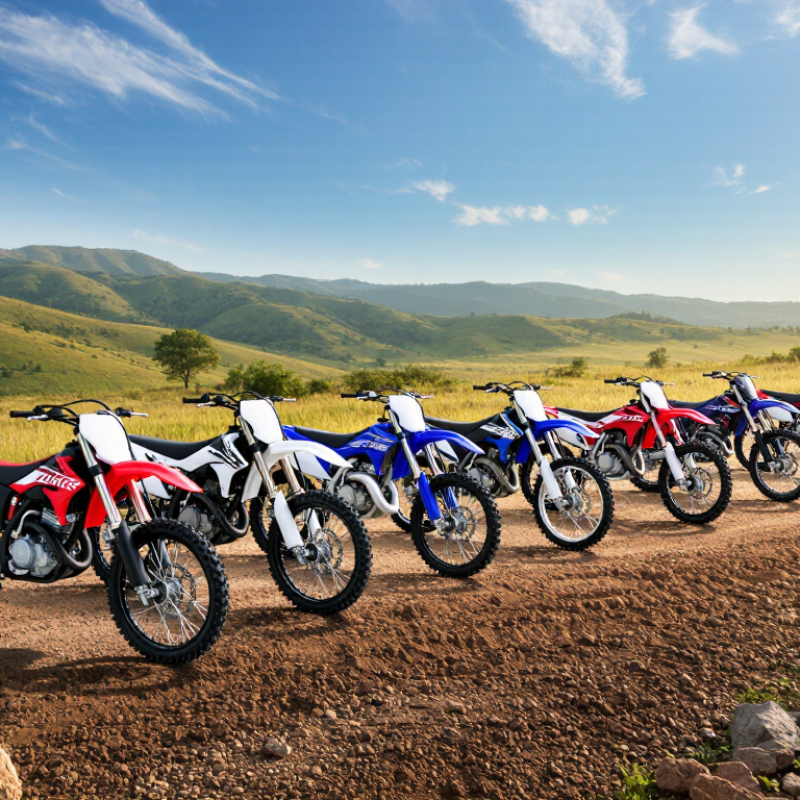
Top 10 Best 250cc Dirt Bikes to Buy

Understanding 250cc Dirt Bikes and Their Main Categories

A 250cc dirt bike is defined by engine displacement, not by one fixed riding style. The same capacity can feel very different across motocross, enduro, trail, and dual-sport designs. Motocross bikes are built for closed courses, jumps, and quick acceleration. Their firm suspension and close-ratio gearing can feel tiring on slow, rocky trails. Enduro bikes usually prioritize traction, usable low-speed power, and longer rides over mixed terrain. Some include lights and larger fuel tanks, though equipment varies.

Trail bikes often suit beginners and casual riders because their power delivery is gentler and their controls feel less demanding. A predictable throttle can help on loose climbs or narrow, root-covered paths. Dual-sport models add road-oriented equipment for connecting trail sections with paved routes. They may be heavier than dedicated off-road bikes. That matters. A few extra kilograms become noticeable when lifting a bike from soft sand.

Engine type also changes the experience. A two-stroke 250cc engine is often lighter and responds sharply, while a four-stroke typically delivers smoother, more gradual power. These are tendencies, not guarantees; gearing, suspension setup, and maintenance condition matter too. Before choosing, sit on the bike and check whether both feet reach the ground comfortably. Compare the seat height, weight, and service needs with the terrain you actually ride. I would not assume the highest-performance model is the best fit. That is an easy mistake.

Key Features to Compare Before Buying a 250cc Dirt Bike

A 250cc label does not tell you how a bike will feel on a rocky climb or a tight forest trail. Match the engine character to your terrain and skill level. The FIM’s 2024 Motocross World Championship regulations place four-stroke MX2 machines in the 175–250cc range. That is a racing class, not a buying rule, but it shows how broadly “250cc” can describe different setups.

Compare wet weight, seat height, suspension travel, and adjustability. A tall seat can make a muddy stop awkward; a heavy bike may tire you on repeated turns. Check whether the suspension can be tuned for your weight and riding pace. Small setup details matter. Sit on the bike in your usual boots, then see if you can reach the ground without leaning sharply.

Also examine fuel capacity, starting system, and routine service intervals in the owner’s manual. A strong engine is less useful if the gearing feels abrupt on slow trails. Ask a qualified mechanic to inspect the linkage and fork seals on a used bike. I’d be cautious about choosing by horsepower alone; it sounds decisive, but the best number depends on where you ride. One point worth reconsidering: advertised suspension travel does not guarantee a comfortable ride, especially if the spring rate is wrong for you.

Top 10 250cc Dirt Bikes to Consider

Choosing among 250cc dirt bikes starts with the terrain, not the engine badge. A tight wooded trail rewards smooth power and light handling. A motocross track demands firm suspension and quick response. Fit matters. Check whether your boots reach the ground comfortably, and whether the bars feel natural while standing.

Compare a mellow trail four-stroke, a race-tuned four-stroke, a lively two-stroke, a wide-ratio enduro setup, and a close-ratio motocross setup. Also consider a low-seat design, a lightweight chassis, plush trail suspension, a firm jumping setup, and electric start. These ten configurations suit different needs; they are not interchangeable. Suspension settings, gearing, and seat height can matter more than a small difference in claimed power.

Inspect the chain, spokes, fork seals, and air filter before buying used. A clean-looking bike can still hide worn bearings or neglected maintenance. Take a slow test ride, then try a few controlled turns and bumps. Small details count. No shortlist fits every rider, and a bike that feels easy in a parking area may feel tiring after an hour on rough ground.

Top 10 Best 250cc Dirt Bikes to Buy – Top 10 250cc Dirt Bikes to Consider

Typical Weight Ranges by Engine Type

Weight can affect how a dirt bike feels on trails and during handling. These approximate ranges reflect common 250cc off-road bike specifications; actual weights vary by model and by whether fuel is included.

How the Leading Models Compare in Performance and Value

A useful 250cc comparison starts with how each bike delivers power, not just its peak output. Four-stroke models often feel predictable on loose climbs, while two-strokes can respond more sharply when the trail opens. Engine type alone does not decide the winner; gearing, suspension setup, and rider fit matter too. On rocky ground, controlled throttle and stable front-end feel can be worth more than extra speed. Feel matters. A tall seat may suit an experienced rider but make tight, uneven turns tiring for someone shorter.

Value includes more than the purchase price. Check suspension adjustability, parts availability, service intervals, and how easily the bike starts when cold. A lower-priced model may need upgraded springs for a heavier rider, adding cost quickly. Meanwhile, a premium setup is not automatically better if its power feels tiring after an hour. Compare seat height and weight in person, if possible, and inspect wear on the chain, tires, and fork seals on used bikes. Specifications help narrow the list, but they cannot tell you how a bike feels on your local trails. I would be cautious about treating any top-ten ranking as universal; rider skill and terrain change the value equation.

Choosing the Best 250cc Dirt Bike for Your Riding Needs

Choosing the right 250cc dirt bike starts with matching its power delivery to your terrain and experience. A four-stroke often feels smoother at low speeds, while a two-stroke may respond more sharply to throttle input. Neither is automatically better. Ride both if possible, and notice how easily you can control the bike on loose turns and steep climbs. A few minutes on flat ground can hide important differences.

Fit matters just as much as engine feel. Sit on the bike in your usual riding boots; check whether you can reach the ground and operate the controls comfortably. On a test ride, pay attention to suspension response over small bumps, not just big jumps. Too firm can feel tiring on rocky trails. Too soft may bottom out under a heavier rider. There is no perfect setup. Rider weight, pace, and terrain all affect what works, and a showroom impression can be misleading. Compare service intervals, parts availability, and owner-manual requirements before buying. A lower purchase price may not mean lower upkeep. Be honest about your skill level, too: a bike that feels exciting for ten minutes may become exhausting over a full afternoon.

Top 10 Best 250cc Dirt Bikes to Buy - Choosing the Best 250cc Dirt Bike for Your Riding Needs
Rank 250cc Bike Type Typical Engine and Setup Best For Main Advantages Things to Consider
1 250cc four-stroke motocross bike Liquid-cooled, single-cylinder four-stroke; close-ratio gearbox; competition-focused suspension. Motocross tracks, jumps, and fast riding on prepared courses. Strong high-rpm performance, precise handling, and a broad range of available performance parts. Often lacks road equipment and a kickstand; frequent maintenance and skillful throttle use may be needed.
2 250cc two-stroke motocross bike Liquid-cooled, single-cylinder two-stroke; typically a lightweight, competition-oriented setup. Experienced riders seeking a responsive bike for motocross and open off-road terrain. High power for its size, relatively simple engine construction, and strong acceleration. Power delivery can be abrupt; correct fuel and oil practices and regular top-end checks are important.
3 250cc four-stroke cross-country bike Liquid-cooled four-stroke; off-road gearing and suspension, often with an 18-inch rear wheel. Cross-country races, woods riding, and mixed off-road courses. Designed for longer off-road rides and uneven terrain; commonly equipped with a kickstand. Equipment and fuel capacity vary. Check whether the suspension suits your weight and terrain.
4 250cc two-stroke cross-country bike Liquid-cooled two-stroke; off-road-focused gearing and chassis setup. Technical trails and cross-country riding where low weight and quick response are useful. Usually easy to maneuver in tight terrain and has a comparatively simple engine layout. Power characteristics differ considerably by engine tune; check fuel range and whether an oil-injection system is fitted.
5 250cc four-stroke enduro bike Liquid-cooled four-stroke; typically configured for off-road use, with lighting equipment on many versions. Long trail rides, enduro events, and technical terrain. Four-stroke power is often easier to meter than a highly tuned two-stroke; enduro equipment can add convenience. Lighting does not automatically make a bike road-legal. Confirm registration and equipment rules in your area.
6 250cc two-stroke enduro bike Liquid-cooled two-stroke; trail-oriented tuning, with equipment varying by model and market. Technical enduro riding, steep trails, and riders who prefer a light, responsive machine. Responsive power and a comparatively simple engine design can suit demanding off-road routes. Some versions require premixed fuel; check maintenance history, equipment, and local road-use requirements.
7 250-class four-stroke trail bike Usually a single-cylinder four-stroke; many recreational trail designs use air cooling and softer suspension. Recreational trail riding, beginners, and riders prioritizing manageable power. Often tuned for predictable response and comfort at moderate speeds. Trail-oriented models are generally less suited to repeated big jumps or competitive motocross than race bikes.
8 250-class dual-sport bike Four-stroke single-cylinder design with road equipment; commonly uses a six-speed gearbox. Riders who need one bike for public roads and unpaved routes. Street equipment and road registration can make it useful for commuting between trails. Road-focused tires, gearing, and suspension may be less capable on demanding dirt tracks. Check local registration rules.
9 250cc four-stroke cross-country race bike Competition-focused four-stroke with off-road wheels, gearing, and suspension; specifications vary by year. Organized cross-country racing and fast, varied off-road courses. Combines race-oriented handling with setup choices intended for off-road conditions. Race components can increase servicing needs. Verify the bike’s competition history and service records.
10 250-class trials bike Specialized lightweight design, commonly a two-stroke; setup prioritizes balance and low-speed control. Trials sections, obstacle practice, and highly technical low-speed riding. Excellent maneuverability and control for precise line choice over rocks and obstacles. Not a general-purpose choice: seat, gearing, range, and high-speed comfort are limited compared with trail bikes.

These are buyer profiles rather than specific product models. Engine equipment, legal status, and specifications vary by model year and market. Before buying, confirm the exact displacement, seat height, weight, service history, parts availability, and intended-use requirements.

Go to Top