2026 Top Battery Solutions for Global Buyers How to Choose?
In the ever-evolving landscape of technology, finding the right Battery Solutions becomes crucial for global buyers. As industries shift towards sustainable practices, the demand for efficient battery technologies rises. Different applications call for various features, so understanding these needs is essential.
The market offers a plethora of battery solutions, each with unique benefits and drawbacks. While some batteries provide fast charging, others stand out for their longevity. It’s vital to consider energy density, cycle life, and overall performance when making a choice. Hasty decisions may lead to trade-offs that affect project outcomes.
Buyers should remain aware of the ongoing advancements in battery technology. Keeping updated ensures that choices align with future needs. Thoughtful evaluation and research will guide buyers toward the most suitable battery solutions. Ultimately, making informed decisions is key, as poor choices can lead to unforeseen challenges.

2026 Battery Technologies: Overview of Emerging Trends and Innovations
As we look toward 2026, battery technologies continue to evolve rapidly. Emerging trends showcase several innovations reshaping the landscape. Solid-state batteries, for instance, promise enhanced safety and energy density. According to a recent report from IDTechEx, the solid-state battery market is projected to exceed $7 billion by 2026, driven by demand from electric vehicles (EVs).
Another significant trend is the growth of lithium-sulfur batteries. This technology offers lighter weight and higher energy capacity compared to conventional lithium-ion batteries. Research indicates that lithium-sulfur batteries could reach energy densities of over 500 Wh/kg. This shift toward higher efficiency is crucial, especially as industries push for sustainable energy solutions.
However, challenges remain. Manufacturing solid-state and lithium-sulfur batteries at scale is still complex. Issues such as cost and production reliability need addressing. Moreover, consumers may face difficulties understanding these technologies. As the market evolves, education and transparency will be key in bridging the gap between innovation and practical application. The future of battery technologies promises excitement, yet it also demands careful consideration of its implications.
2026 Top Battery Solutions for Global Buyers How to Choose?
| Battery Type |
Energy Density (Wh/kg) |
Cycle Life (Cycles) |
Charge Time (Hours) |
Temperature Range (°C) |
Cost ($/kWh) |
| Lithium-ion (NMC) |
200 |
1500 |
1 |
-20 to 60 |
150 |
| Solid-state Battery |
300 |
3000 |
0.5 |
-30 to 70 |
250 |
| Lithium Iron Phosphate (LiFePO4) |
120 |
2000 |
1.5 |
-20 to 60 |
100 |
| Nickel-Metal Hydride (NiMH) |
80 |
1000 |
2 |
-20 to 60 |
300 |
| Lead-Acid |
30 |
300 |
8 |
-20 to 50 |
50 |
Key Factors to Consider When Choosing Battery Solutions for Global Markets
Choosing the right battery solution for global markets is essential. Several key factors must be considered to ensure optimal performance. First, energy density plays a crucial role. Higher energy density allows for longer usage times and lighter batteries. This is particularly important for applications like electric vehicles and portable devices.
Another critical factor is charge cycle life. Batteries with a longer cycle life reduce replacement costs and waste. It’s vital to evaluate how often the battery will be charged and discharged in real-world applications. Temperature tolerance also matters. Batteries must operate efficiently under various environmental conditions. This involves understanding whether the battery will face extreme heat or cold.
Cost-effectiveness cannot be overlooked. Although cheaper options may be tempting, they may not deliver the required longevity or performance. Additionally, sustainability is gaining attention. Consumers increasingly prefer eco-friendly solutions that minimize environmental impact. Balancing these factors can be challenging, especially as technology evolves. It’s essential to stay informed about trends and innovations in battery technology. Each choice should reflect both immediate needs and long-term goals.
Comparative Analysis of Leading Battery Manufacturers and Their Offerings
When evaluating battery manufacturers, a comparative analysis is crucial. Look at the key features each brand offers. Performance, lifespan, and charging times differ significantly among manufacturers. Some may excel in energy density, while others focus on fast charging capabilities. It’s important to weigh these aspects against your specific needs.
Quality assurance is another vital criterion. Reputable manufacturers typically provide detailed specifications and testing results. This indicates their commitment to reliability. Consumer feedback also plays a role. Reviews can highlight any potential issues or areas needing improvement. Look for consistent patterns in feedback to make informed choices.
Cost is easier to assess but requires careful thought. A lower price may suggest inferior materials or technologies. Conversely, higher costs might not equate to better performance. Understanding the balance between price and quality can be challenging. This analysis calls for thorough research and understanding of your requirements. Keep in mind that choosing the right battery solution can influence the overall success of your projects.
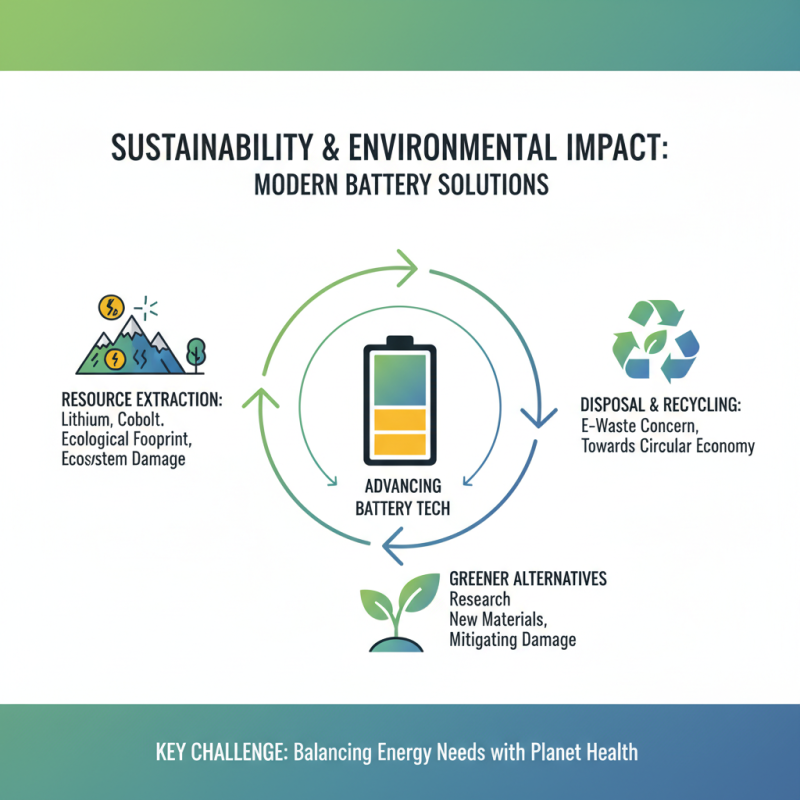
Sustainability and Environmental Impact of Modern Battery Solutions
The sustainability and environmental impact of modern battery solutions are critical factors in today’s energy landscape. As battery technology advances, so do concerns about resource extraction and disposal. Many materials used in batteries, like lithium and cobalt, can have significant ecological footprints. Mining for these resources often damages local ecosystems. The quest for greener alternatives is essential in mitigating this damage.
Recycling is a key area needing improvement. While many batteries are recyclable, the processes are not yet efficient or widespread. An optimal recycling system could lessen the demand for new materials, which is vital for sustainable growth. However, challenges remain. Inconsistent regulations and varying techniques complicate recycling efforts. This inconsistency can lead to increased environmental impacts, creating a pressing need for standardized practices.
Investing in alternative energy storage solutions is another avenue for sustainability. Research into organic and biodegradable materials shows promise, yet these technologies are still in development. The balance between performance, cost, and environmental impact is fragile. Buyers must consider these factors carefully. Sustainable battery solutions represent a complex challenge, but one that is essential for a cleaner future.
Future Prospects: What to Expect in the Battery Industry Through 2030
The battery industry is rapidly evolving. By 2030, we can expect significant advancements in battery technology. More efficient batteries will likely power electric vehicles and renewable energy systems. Innovations in solid-state batteries and recycling methods will be pivotal. These developments will help reduce the environmental impact of battery production and disposal.
When choosing battery solutions, consider performance and longevity. Assess how long a battery lasts under usage conditions. Energy density is crucial; higher energy density means longer-lasting power. Remember that cost isn’t the only factor. Evaluate the total lifecycle cost, including maintenance and recycling options.
Tips for buyers: Always check certifications and safety standards. Verify if the manufacturer provides a warranty. Additionally, explore user reviews to gauge real-life performance. It’s vital to understand current limitations. Not every battery is suitable for every application, making research essential. Balancing innovation and practicality will define the future landscape of this industry.
2026 Top Battery Solutions: Projected Capacity (GWh) Growth by Technology
This chart displays the projected capacity growth for different battery technologies by 2026. The data illustrates the anticipated dominance of lithium-ion batteries, followed by solid-state and traditional lead-acid technologies, indicating the evolving landscape of the battery industry leading up to 2030.