2026 Top LED Screen Trends Every Global Buyer Should Know?
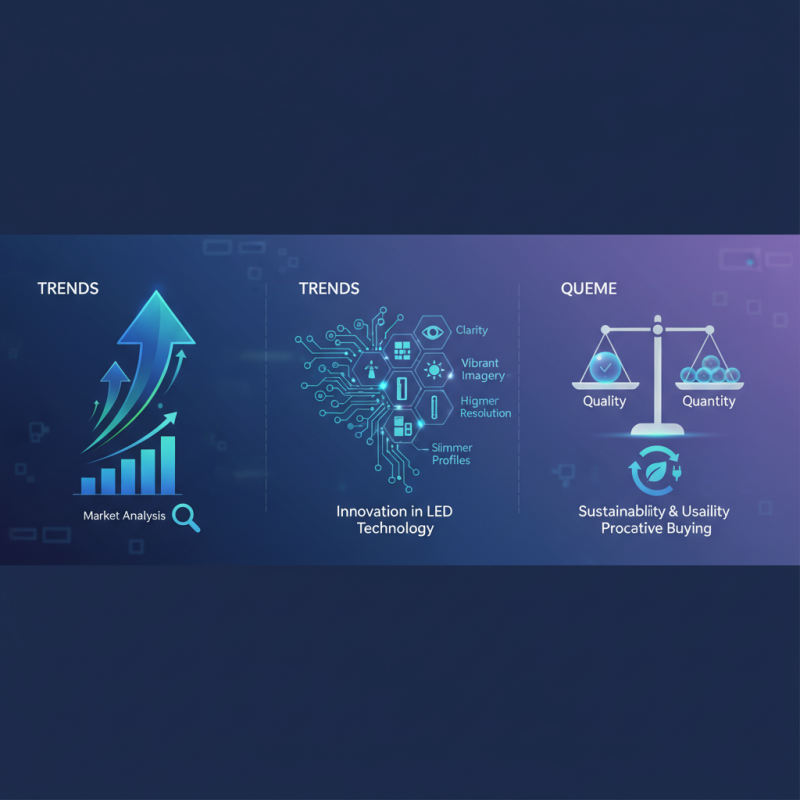
As we look ahead to 2026, the landscape of LED Screens is evolving rapidly. Buyers must stay informed about the latest trends. The digital age demands improved clarity and vibrant imagery. LED screens are becoming essential for various applications. From advertising to events, their role is no longer optional.
Innovation in LED technology is reshaping consumer experiences. New designs are emerging, boasting higher resolutions and slimmer profiles. These advancements enhance visual appeal. Buyers need to understand the impact of these changes. Emphasizing quality over quantity is crucial. It’s tempting to follow trends blindly, but discernment is key.
A deeper understanding of the market helps buyers make informed decisions. The reliance on LED technology raises questions about sustainability and usability. Evaluating various options ensures the right choice. Trends may fluctuate, but the need for reliable information will always remain. Being proactive and aware sets successful buyers apart in the competitive LED screen market.
Emerging Technologies Shaping LED Screen Innovation in 2026
In 2026, LED screen technology is transforming rapidly. One significant trend is the rise of microLED and miniLED technologies. These innovations promise higher brightness and better contrast ratios. Moreover, they consume less power compared to traditional LED displays. Many manufacturers are investing heavily in these technologies. This shift improves energy efficiency and enhances user experience.
Another notable trend is the integration of AI in LED screens. Smart technology can optimize brightness based on environmental conditions. It provides personalized content for viewers, enhancing engagement. We see LED screens in retail spaces, blending seamlessly with augmented reality technologies. This melding creates immersive advertising experiences that capture attention.
However, challenges remain. The production cost of advanced LED screens can be high. Not every company can afford these new technologies. Moreover, compatibility with existing systems is often an issue. Buyers must consider their specific needs and budget when investing in these innovations. Understanding these trends is crucial for making informed choices in the evolving market.
2026 Top LED Screen Trends
Sustainable Practices in LED Screen Manufacturing and Design
In the evolving landscape of LED screen manufacturing, sustainability is becoming paramount. Industry reports indicate that the global market for LED screens is projected to reach $186 billion by 2026. This growth mandates manufacturers to adopt sustainable practices in design and production. A significant aspect of this shift involves using eco-friendly materials. For instance, innovations in recyclable plastics and reduced harmful chemicals are gaining traction.
Energy efficiency in the production process also plays a critical role. Studies show that LED screens consume up to 75% less energy than traditional displays. However, many manufacturers still rely on outdated methods that contradict eco-friendly goals. Striking a balance between innovation and sustainability is challenging. Implementing renewable energy sources during production could make a substantial impact. Reports suggest that facilities using solar or wind energy can reduce their carbon footprints significantly.
Waste management remains a pressing issue. Approximately 30% of materials used in manufacturing become waste. Addressing this could transform the industry. Focusing on circular design principles can minimize waste and enhance recyclability. Yet, many companies still lack effective strategies to manage end-of-life products. The path to sustainable LED screen manufacturing demands continuous effort and reflection.
Key Market Trends Influencing LED Screen Demand Globally
The global LED screen market is experiencing significant growth, driven by key trends. According to a recent market report, the LED display segment is expected to reach $27.4 billion by 2026. This reflects a compound annual growth rate (CAGR) of 12.5% from 2021. Such numbers highlight a growing demand across various sectors, such as retail, entertainment, and transportation.
One influential market trend is the increasing need for energy-efficient solutions. Consumers and businesses seek screens that offer high brightness and low power consumption. A study indicates that energy-efficient displays can lower operational costs by up to 30%. In addition, the rise of outdoor advertising continues to propel demand. Cities worldwide are investing in digital billboards, enhancing visibility and communication.
Another aspect is technological advancements. The shift towards smaller pixel pitches enhances resolution and viewing experiences. Recent data reveals that screens with pixel pitches as small as 1.5mm are gaining traction. Despite the growth, challenges remain, such as supply chain disruptions and high initial costs. These factors can impact accessibility for smaller buyers and require strategic planning. Ensuring reliable supply and managing expectations is vital in this evolving landscape.
Consumer Preferences Driving LED Screen Features and Functionality
Consumer preferences are significantly shaping the design and functionality of LED screens. As technology evolves, buyers prioritize features that enhance user experience. High-resolution displays are no longer optional; they are essential. Today’s consumers seek clarity and vibrant colors. Additionally, the demand for energy-efficient options is rising. Buyers want screens that not only perform well but also reduce energy consumption.
Tips: Consider screen brightness. In bright environments, higher brightness levels are crucial for visibility. Buyers should also evaluate the weight of the screens for installation purposes. Lighter screens are easier to handle, especially for large formats. Flexibility in design is vital. Modular screens that can be arranged in creative ways attract more attention.
The trend toward interactive features is also growing. Consumers enjoy personalized experiences. Touch screens and interactive displays cater to this need. However, not all screens offer the same level of interactivity. It's essential to test these features before making a purchase. Some screens may promise high interactivity but fail in real-world scenarios. Reflect on your specific needs before investing.
The Role of AI and Smart Tech in LED Screen Enhancements
The integration of artificial intelligence (AI) and smart technology is revolutionizing the LED screen industry. According to a report by MarketsandMarkets, the global smart display market is expected to grow from $24 billion in 2021 to over $60 billion by 2026. This significant growth highlights the rising demand for LED screens that can adapt to user needs and environments intelligently.
AI enhances LED screens in numerous ways. For instance, machine learning algorithms can analyze viewer behavior in real-time. This analysis allows for personalized content delivery, improving viewer engagement. Smart technology also enables connected systems that can adjust screen brightness and color based on ambient light conditions. Studies indicate that such adaptive features can increase energy efficiency by up to 30%. Yet, the reliance on technology brings challenges. Data privacy concerns and the need for robust cybersecurity measures are critical issues that manufacturers must address.
As AI continues to evolve, so does its potential within the LED sector. Innovations in image recognition and augmented reality are emerging trends. These advancements promise to create immersive experiences for users. However, there is still uncertainty surrounding implementation costs and integration processes across different platforms. The balance between technology and user experience must be carefully considered to avoid overwhelming consumers with complexity. This ongoing evolution will shape the future of LED screens globally.